In the realm of digital entertainment, Virtual Reality (VR) gaming has emerged as a transformative force, captivating players with immersive experiences that blur the lines between reality and fantasy. As technology advances at an unprecedented pace, the evolution of VR gaming experiencesVR gaming experiences has not only redefined how games are played but also how they are perceived. From the early days of rudimentary VR setups to the sophisticated, multi-sensory environments available today, the journey of VR gaming is a fascinating narrative of innovation and creativity. This article delves into the multifaceted evolution of VR gaming experiences, examining the key milestones, technological breakthroughs, and design philosophies that have shaped this dynamic landscape. As we traverse through the history and advancements of VR, we will uncover the profound impact these changes have had on user engagement, social interaction, and overall satisfaction within the gaming community.
Join us as we explore not just the technical aspects of VR gaming but also the emotional and psychological elements that contribute to a truly immersive experience. Whether you are a seasoned gamer or new to the world of VR, understanding this evolution will enrich your appreciation of what virtual reality gaming has to offer today and what it holds for the future. The evolution of VR gaming has been a fascinating journey, marked by significant technological innovations and creative breakthroughs. Early experiments in the 1960s and 70s set the stage for what would eventually transform into a vibrant industry. The first VR systems were rudimentary, often consisting of basic headsets and limited interactions, but these pioneering efforts ignited the imagination of developers and gamers alike.
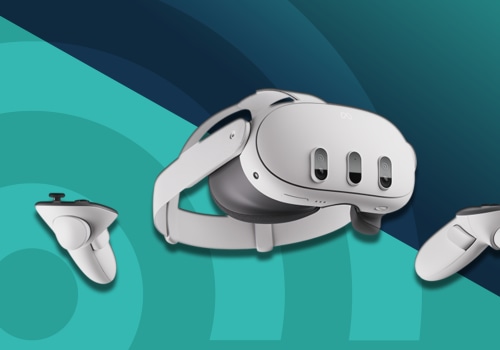
As technology progressed, the 1990s saw the introduction of arcade VR experiences that offered a glimpse into the future of immersive gaming, albeit with significant limitations in graphics and user experience. Fast forward to the 21st century, and we see a remarkable transformation in VR gaming experiences. The advent of powerful computing hardware, coupled with advancements in graphics rendering and motion tracking, has led to the development of sophisticated VR headsets that deliver stunning visuals and lifelike interactions. Popular devices like the Oculus Quest 2, HTC Vive Pro, and PlayStation VR have raised the bar, each offering unique features catering to different segments of the gaming community. For instance, the Oculus Quest 2 is lauded for its affordability and standalone capabilities, making it accessible to casual gamers.
In contrast, the HTC Vive Pro targets enthusiasts with its superior graphics and extensive library of VR games, albeit at a higher price point. A comparative analysis reveals that while some headsets prioritize affordability and ease of use, others focus on delivering premium features that appeal to dedicated gamers. User reviews frequently highlight how the Oculus Quest 2’s wireless functionality enhances the gaming experience by allowing players to move freely without being tethered to a console or PC. On the other hand, the PlayStation VR is often praised for its integration with popular PlayStation titles, though some users point out its lower resolution compared to competitors. Technological advancements have not only improved hardware but also significantly enhanced the In contrast, the HTC Vive Pro targets enthusiasts with its superior graphics and extensive library of VR games, albeit at a higher price point. A comparative analysis reveals that while some headsets prioritize affordability and ease of use, others focus on delivering premium features that appeal to dedicated gamers. User reviews frequently highlight how the Oculus Quest 2’s wireless functionality enhances the gaming experience by allowing players to move freely without being tethered to a console or PC. On the other hand, the PlayStation VR is often praised for its integration with popular PlayStation titles, though some users point out its lower resolution compared to competitors. Technological advancements have not only improved hardware but also significantly enhanced the user experience. Improved graphics have made virtual environments more engaging than ever.
Games like Half-Life: Alyx demonstrate how realistic visuals can transport players into immersive worlds where every detail matters. Additionally, advancements in motion tracking technology allow for seamless interactions within these environments. Titles such as Beat Saber utilize this technology to create dynamic gameplay that responds intuitively to player movements, showcasing how far VR gaming has come from its early days. The role of haptic feedback cannot be overstated in this evolution; it adds a layer of realism that was previously unimaginable. Games like Pistol Whip effectively use haptic feedback to simulate shooting sensations, further immersing players into their gameplay.
User feedback consistently emphasizes how these innovations contribute to a more compelling experience, enhancing engagement across various demographics. Moreover, the applications of VR technology extend well beyond entertainment. In education and training, VR has emerged as a powerful tool for simulating real-world scenarios. Medical students can practice surgeries in a controlled environment, while corporate training programs use VR to enhance employee skills through immersive simulations. This broader impact highlights not only the versatility of VR gaming experiences but also their potential to revolutionize learning and professional development. However, despite these advancements, criticisms surrounding current VR systems persist.
Accessibility remains a significant concern; high costs can exclude many potential users from experiencing what VR has to offer. Additionally, health issues related to prolonged use are often cited by users who report discomfort or motion sickness during extended play sessions. These concerns underline the importance of ongoing research and development aimed at making VR more inclusive and comfortable for all users. In conclusion, the journey of VR gaming from its nascent stages to the cutting-edge experiences available today is a testament to human ingenuity and technological progress. With ongoing improvements in hardware and software, alongside growing interest from diverse audiences, it is clear that VR will continue to shape entertainment and beyond in profound ways. The evolution of VR gaming has been nothing short of remarkable, tracing its roots back to the early experiments of the 1960s and 1970s, where rudimentary systems like the Sensorama and the first head-mounted displays were developed.
These early attempts, though groundbreaking for their time, lacked the technological sophistication we see today. It wasn't until the 1990s that VR gaming began to enter the public consciousness, with systems like the Virtuality arcade machines capturing the interest of gamers. However, it wasn't until the 2010s that VR gaming truly began to flourish, with significant advancements in technology paving the way for immersive experiences that were previously unimaginable. As we delve into a comparative analysis of different VR headsets available on the market today, it's essential to highlight some of the leading devices, each offering unique features, price points, and user experiences. The Oculus Quest 2 stands out as a popular choice for its affordability and ease of use, offering a standalone experience without the need for a powerful PC.
Users have praised its impressive library of games and applications, making it an excellent entry point for newcomers to VR gaming. In contrast, the Valve Index offers a premium experience with advanced features such as high-fidelity graphics and exceptional motion tracking capabilities. However, this premium comes at a higher price point, which may deter some users. The PlayStation VR also remains relevant, providing a solid experience for console gamers, particularly with exclusive titles that leverage its unique capabilities. Technological advancements have played a crucial role in transforming VR gaming, particularly with improvements in graphics quality, motion tracking accuracy, and haptic feedback systems.
Modern VR games like Half-Life: Alyx exemplify these advancements, showcasing stunning visuals and intricate environments that fully immerse players in the gaming experience. The integration of advanced motion tracking allows for more natural interactions within the virtual world, enhancing user engagement. Furthermore, haptic feedback technology has taken immersion to new heights; games like Boneworks utilize these features to create a tactile sense of realism that profoundly affects gameplay. User feedback and reviews shed light on how various demographics engage with VR gaming. Younger audiences often gravitate towards fast-paced action games and social experiences within virtual spaces, while older users may prefer more leisurely explorations or puzzle-solving games.
This diversity in user experiences highlights how VR gaming caters to a wide audience, appealing to different interests and preferences. Moreover, reviews consistently indicate that user comfort remains a vital factor; players seek headsets that are lightweight and ergonomic to enhance their gaming sessions. Beyond entertainment, the applications of VR technology extend into fields such as education and training. Simulations can create realistic environments for training medical professionals or providing immersive history lessons where students can explore ancient civilizations. Companies are increasingly adopting VR training programs to enhance employee skills in fields ranging from aviation to emergency response.
This broader impact illustrates how VR technology can transform learning and professional development. However, it's crucial to address potential criticisms or limitations associated with current VR systems. Accessibility remains a significant issue; not everyone can afford high-end headsets or has access to space needed for an optimal experience. Health concerns also arise from prolonged use, with some users reporting discomfort or motion sickness after extended gameplay sessions. Developers are actively working on solutions to these challenges, but they highlight the need for continued improvement in making VR gaming more inclusive and comfortable for all users. In conclusion, the journey of VR gaming from its experimental roots to today’s sophisticated systems encapsulates a profound evolution in entertainment technology.
As advancements continue to unfold, both in hardware and software, the potential for immersive experiences will expand even further. Understanding this evolution not only enriches our appreciation of current offerings but also sets the stage for future innovations in VR gaming.
Challenges and Criticisms in VR Gaming
Despite its impressive evolution, VR gaming is not without its challenges and criticisms. One of the primary concerns is the potential health risks associated with prolonged use of virtual reality systems. Users often report issues such as motion sickness, eye strain, and even disorientation after extended gameplay.These symptoms can detract from the immersive experience that VR gaming aims to provide, leading to a divided opinion among gamers and critics alike. Another significant issue is accessibility. While VR gaming has made strides in recent years, it still remains out of reach for many potential users due to high costs associated with equipment and the need for substantial physical space to operate effectively. This limits the audience that can fully engage with VR experiences, raising questions about inclusivity within the gaming community. Moreover, some critics argue that the current offerings in VR gaming do not justify the investment in hardware. The content available may not always meet the high expectations set by the technology's capabilities, leading to dissatisfaction among users who seek innovative and diverse gameplay experiences.
As VR technology continues to advance, addressing these concerns will be essential for fostering a broader acceptance and enjoyment of virtual reality gaming.
Beyond Gaming: The Expanding Role of VR
The world of Virtual Reality (VR) extends far beyond the realm of gaming, penetrating various sectors such as education, healthcare, and corporate training. As VR technology continues to evolve, its applications are becoming increasingly innovative and impactful. This section explores how VR is being utilized in these fields, showcasing its transformative potential. In education, VR offers immersive learning experiences that can enhance student engagement and retention. For instance, students can take virtual field trips to historical sites or explore complex scientific concepts in a 3D environment.Such interactive experiences not only make learning more enjoyable but also cater to different learning styles, allowing for a more personalized educational journey. Furthermore, VR is revolutionizing training programs across various industries. In fields like medicine, aspiring surgeons can practice their skills in a risk-free environment using realistic simulations. This hands-on approach helps build confidence and competence before they enter real-world scenarios. Similarly, industries such as aviation and manufacturing are using VR for safety training and skill development, ensuring that employees are well-prepared for their tasks. Moreover, businesses are leveraging VR for corporate training sessions that foster team-building and collaboration.
Virtual environments allow employees to interact in ways that traditional training methods cannot match, leading to enhanced communication skills and teamwork. In conclusion, the expanding role of VR in education and training highlights its significant potential to enhance learning and skill development across diverse fields. As technology continues to advance, we can anticipate even more groundbreaking applications that will further integrate VR into our daily lives.
Technological Advancements Shaping User Experience
The landscape of VR gaming has undergone a remarkable transformation due to rapid technological advancements. These innovations have not only improved the overall quality of gameplay but have also significantly enhanced the user experience.One of the most notable improvements is in the realm of graphics. Modern VR systems now leverage powerful GPUs and advanced rendering techniques, allowing for stunningly realistic environments.The ability to immerse players in richly detailed worlds makes the gaming experience more engaging and enjoyable. High-resolution displays and improved field of view contribute to a sense of presence that was previously unattainable. Another critical advancement is in motion tracking. The introduction of sophisticated motion sensors and tracking technologies, such as inside-out tracking, enables players to move freely within their virtual environments. This enhanced tracking capability allows for more natural interactions, making gameplay intuitive and seamless.
Players can engage with their surroundings in a way that feels organic, whether it’s reaching for objects or navigating through intricate landscapes. Furthermore, advancements in audio technology play a vital role in shaping the user experience. Spatial audio techniques have evolved, providing players with a 360-degree soundscape that aligns with their visual perspective. This immersive audio experience enhances realism and helps players locate sounds accurately, adding another layer of depth to the gameplay. In conclusion, these technological advancements—improved graphics, refined motion tracking, and enhanced audio—are crucial in shaping the future of VR gaming. As technology continues to evolve, players can expect even more immersive and engaging experiences that redefine entertainment.
User Feedback: What Gamers Are Saying
In the ever-evolving world of virtual reality, user feedback plays a crucial role in shaping the future of VR gaming experiences.Gamers are not just passive consumers; they actively engage with the technology and share their insights, which can provide invaluable information for developers and new players alike. Many users have praised the immersive nature of VR, highlighting how it transforms gameplay into a more engaging experience. For instance, one user stated, "The moment I put on the headset, I felt like I was inside the game! The graphics and sound are so realistic that it completely absorbed me." This sentiment is echoed across various platforms, indicating a consensus that VR technology has significantly enhanced the gaming experience. However, feedback is not solely positive. Some gamers express concerns regarding motion sickness, which can be a barrier for new users. A common review notes, "I love the idea of VR gaming, but after a short session, I felt nauseous.
It’s something I hope developers address in future updates." Such testimonials highlight the importance of user experience in the development process and underscore the need for continuous improvements. Moreover, users often share their preferences for specific VR gaming applications. For example, many have found multiplayer experiences to be particularly enjoyable, with comments like, "Playing with friends in a virtual space adds a whole new level of fun!" This type of feedback helps developers understand what features resonate most with players. As we dive deeper into the world of VR gaming, it becomes clear that user feedback is essential for fostering innovation and enhancing overall satisfaction. By listening to gamers' experiences and suggestions, developers can create more engaging and user-friendly products that cater to the evolving needs of the community.
The Rise of Virtual Reality in Gaming
Virtual Reality (VR) has undergone a remarkable transformation since its inception, evolving from a niche technology to a significant player in the gaming industry. The journey began in the 1960s with rudimentary systems like the Sensorama and the Sword of Damocles, which laid the groundwork for immersive experiences.However, it wasn't until the 1990s that VR gaming began to capture mainstream attention, thanks to systems like the Sega VR and Nintendo's Virtual Boy, despite their limitations and short-lived success. The real breakthrough for VR gaming came in the 2010s with advancements in technology that made VR more accessible and appealing. The introduction of devices such as the Oculus Rift, HTC Vive, and PlayStation VR heralded a new era of immersive gameplay. These headsets featured improved graphics, motion tracking, and user-friendly interfaces, allowing gamers to experience virtual worlds like never before. This resurgence sparked a wave of interest not only from consumers but also from developers eager to explore the potential of VR. As a result, a diverse range of genres emerged, from action-packed shooters to serene explorations and intricate puzzle games.
Developers began to recognize that VR gaming could offer unique experiences that traditional gaming formats could not replicate. The growth of VR technology in gaming is also reflected in increasing investments and collaborations within the industry. Major players like Facebook (now Meta), Sony, and Valve have committed significant resources to enhance their VR offerings, driving innovation and expanding the market. This has led to an influx of high-quality titles and applications that cater to various audiences, further solidifying VR gaming's place in modern entertainment. As we look towards the future, the potential for VR gaming seems boundless. With ongoing advancements in hardware, software, and content creation tools, gamers can expect even more immersive experiences that blur the lines between reality and virtual worlds.
The rise of virtual reality in gaming not only signifies a technological evolution but also a shift in how we interact with digital entertainment.
Comparative Analysis of Top VR Headsets
As the landscape of VR gaming experiences continues to evolve, a critical component in this transformation is the hardware that enables virtual reality. In this section, we will delve into a comparative analysis of the leading VR headsets available today, examining their features, usability, and cost to help you make an informed decision about which device suits your gaming needs. One of the most popular options on the market is the Oculus Quest 2. This standalone headset offers a balance of performance and affordability, making it accessible to a wide audience. With its high-resolution display and impressive library of games, the Quest 2 provides an immersive experience without requiring a powerful PC.However, its reliance on Facebook accounts for setup has raised some privacy concerns among users. On the other hand, the Valve Index stands out for its high-fidelity graphics and advanced tracking capabilities. Its finger-tracking controllers enhance user interaction within virtual environments, providing a level of immersion that is hard to match. Nevertheless, the Index requires a significant investment in both the headset and additional hardware, including base stations for tracking, which may not be feasible for all gamers. The PlayStation VR also deserves mention, especially for console gamers. While it may not boast the same graphical prowess as some PC-based headsets, its integration with the PlayStation ecosystem offers a unique set of exclusive titles.
The affordability of the PlayStation VR makes it an appealing choice for those already invested in Sony's gaming platform. Lastly, the HTC Vive Pro 2 is aimed at enthusiasts looking for premium quality. With its high-resolution display and robust audio system, it delivers stunning visuals and sound. However, it comes at a higher price point and requires a powerful gaming PC to fully utilize its capabilities. This makes it less accessible for casual gamers but a top choice for those seeking the best in VR technology. In conclusion, while selecting a VR headset, it's essential to consider your specific gaming preferences, budget, and existing hardware.
Each headset has its unique strengths and weaknesses, making it vital to evaluate what features matter most to you in your VR gaming experience.
Challenges and Criticisms in VR Gaming
Despite the immersive experiences that VR gaming offers, there are several challenges and criticisms that the industry faces. One of the primary concerns is the potential health risks associated with prolonged use of VR headsets. Users often report experiencing symptoms such as motion sickness, eye strain, and headaches, particularly during extended gaming sessions. These issues can arise from the disparity between the visual input provided by the headset and the body’s physical sensations, leading to discomfort for some players. Another significant criticism pertains to accessibility.Many individuals are unable to enjoy VR gaming due to high costs associated with the necessary hardware and software. Additionally, the physical requirements of certain VR setups can pose challenges for individuals with mobility issues or those who are less technologically inclined. This raises questions about whether VR gaming can truly be considered an inclusive form of entertainment. Furthermore, there are concerns about the psychological impact of immersive virtual environments. Some critics argue that excessive engagement in virtual worlds can lead to social isolation or a detachment from reality.
As VR technology continues to evolve, it is crucial for developers and stakeholders to address these concerns to ensure a safe and enjoyable experience for all users.
Comparative Analysis of Top VR Headsets
As the VR gaming landscape continues to evolve, a variety of headsets have emerged as frontrunners in the market. Each of these devices offers unique features, usability, and price points, making it crucial for consumers to understand their options before making a purchase. One of the most popular choices is the Oculus Quest 2, known for its standalone capabilities and ease of use. It features a high-resolution display and an extensive library of games, all without the need for a powerful gaming PC. Priced competitively, it has become a favorite among both casual and hardcore gamers. Another contender is the Valve Index, which is often praised for its superior tracking and immersive experience.With high-quality visual fidelity and advanced controllers that allow for nuanced interaction, the Index is ideal for those looking for a more premium experience. However, it does require a significant investment in both hardware and space. The PlayStation VR also remains a strong player in the industry, particularly for console gamers. Its compatibility with the PlayStation 5 enhances its appeal, offering users access to exclusive titles. While it may not match the tech specs of some of its competitors, it provides an accessible entry point for many gamers. Lastly, the HTC Vive Pro 2 stands out due to its exceptional resolution and professional-grade performance.
Aimed at serious gamers and developers alike, it offers extensive customization options but comes with a higher price tag that may not be suitable for everyone. In summary, when conducting a comparative analysis of these top VR headsets, factors such as features, usability, and cost are key considerations that will help potential buyers choose the right device to enhance their VR gaming experiences.
Beyond Gaming: The Expanding Role of VR
The influence of Virtual Reality (VR) extends far beyond the realm of gaming, carving out significant applications in various fields, particularly in education and training. As technology continues to advance, VR is revolutionizing how information is imparted and skills are developed, providing immersive experiences that enhance learning outcomes. In educational settings, VR offers a unique platform for students to engage with the material in a more interactive manner. For instance, medical students can practice surgical procedures in a risk-free environment using VR simulations. This hands-on approach not only boosts their confidence but also improves their practical skills before they enter real-world scenarios.Furthermore, subjects like history and science come to life as students can virtually explore ancient civilizations or conduct complex experiments without the constraints of physical materials. The corporate sector has also embraced VR for training purposes. Companies are utilizing VR training modules to prepare employees for various tasks. For example, in the field of aviation, pilots can undergo rigorous training sessions that mimic real-flight conditions. This method allows them to experience emergencies and learn proper protocols without any danger.
Additionally, VR can be used for soft skills training, enabling employees to practice communication and negotiation skills in simulated environments. Beyond education and corporate training, VR is finding applications in therapy and rehabilitation. Patients with phobias or PTSD can confront their fears in a controlled setting through exposure therapy facilitated by VR. This innovative approach has shown promising results, providing patients with effective coping strategies and a path towards recovery. As we look towards the future, the integration of VR into these sectors indicates a transformative shift in how we approach learning and development. The ability to provide realistic scenarios that enhance engagement and understanding marks a significant step forward in both educational and professional environments.
The Rise of Virtual Reality in Gaming
The journey of Virtual Reality (VR) in the gaming industry has been both fascinating and transformative.The concept of VR can be traced back to the 1960s with early experiments in computer-generated environments, but it wasn't until the 1990s that VR began to capture the imagination of gamers and developers alike. With the introduction of devices like the Sega VR headset and Nintendo's Virtual Boy, the seeds were planted for what would become a revolutionary approach to gaming. However, these early attempts were marred by technological limitations, such as low-resolution graphics and cumbersome hardware, which hindered widespread adoption. It wasn't until the late 2010s that significant advancements in VR technology began to emerge. The launch of consumer-grade VR headsets like the Oculus Rift, HTC Vive, and later, PlayStation VR, marked a pivotal moment for the industry.
These devices offered improved graphics, motion tracking, and more immersive experiences, making VR gaming more accessible to the average consumer. The growth of VR in gaming has been fueled not only by advancements in hardware but also by software development. Game studios have begun to recognize the potential of VR gaming experiences, creating titles that leverage the unique capabilities of VR to engage players in ways traditional gaming cannot. Popular games like Beat Saber, Half-Life: Alyx, and Boneworks have set new standards for immersion and interactivity, showcasing what is possible within this exciting medium. As VR technology continues to evolve, we are witnessing an increase in interest from both developers and consumers. The potential applications of VR extend beyond entertainment into realms such as education, training, and social interaction, suggesting that the future of VR gaming experiences is not only bright but also diverse.
This ongoing evolution hints at a future where VR becomes an integral part of our digital lives, shaping how we play, learn, and connect.
Technological Advancements Shaping User Experience
The landscape of VR gaming has undergone remarkable transformations, largely driven by technological advancements that significantly enhance user experience. One of the most notable improvements is in graphics. The evolution from basic 3D models to highly detailed, lifelike environments allows players to immerse themselves in virtual worlds like never before. High-resolution displays and advanced rendering techniques contribute to a more visually engaging experience, making it easier for users to lose themselves in gameplay. Another critical advancement is in motion tracking.Modern VR systems utilize sophisticated sensors and cameras that capture a player's movements with incredible precision. This technology allows for a more intuitive interaction with the virtual environment, as users can physically move, reach, and manipulate objects within the game. The development of wireless motion controllers has further enhanced this experience, enabling players to move freely without being tethered by cables. Finally, audio technology plays a pivotal role in enhancing the immersive quality of VR gaming. Spatial audio techniques create a 360-degree sound environment that responds to players’ movements and actions.
This means that sounds come from various directions, simulating real-world audio experiences and adding depth to gameplay. The integration of high-fidelity sound not only heightens realism but also aids in gameplay mechanics, allowing players to hear crucial audio cues that enhance their overall experience. In conclusion, the convergence of these technological advancements—graphics, motion tracking, and audio—shapes a more engaging and interactive user experience in VR gaming. As these technologies continue to evolve, we can anticipate even more exciting developments that will redefine how we engage with virtual environments.
User Feedback: What Gamers Are Saying
As the world of VR gaming experiences continues to evolve, understanding user feedback is crucial in grasping the impact and effectiveness of these technologies. Gamers around the globe are sharing their personal experiences, offering invaluable insights into what makes VR gaming compelling, enjoyable, or sometimes disappointing. One common theme emerging from user testimonials is the immersive nature of VR gaming.Many players express astonishment at how quickly they can become absorbed in virtual worlds, with one user stating, "The first time I put on the headset, I felt like I was truly inside the game. It was unlike anything I had experienced before!" This level of immersion is often cited as a significant factor in why gamers choose VR over traditional gaming formats. Another aspect frequently highlighted by users is the physical engagement that VR gaming demands. Players appreciate the active involvement that comes with many VR titles. A gamer noted, "I love how I have to move around and interact with the environment.
It feels like a full-body workout while having fun!" This feedback reflects a growing trend where players are seeking more than just entertainment—they want an experience that also promotes physical activity. However, not all feedback is positive. Some users have reported discomfort or motion sickness when using certain VR systems. One gamer shared, "I really wanted to love it, but I found that I couldn't play for long periods without feeling nauseous." Such experiences underscore the importance of developers addressing these issues to enhance user satisfaction. In addition to gameplay mechanics and comfort levels, gamers also comment on the social aspects of VR gaming. Many appreciate the ability to connect with friends in virtual spaces, fostering a sense of community.
One user remarked, "Playing with friends in VR makes everything more enjoyable. We can hang out and explore together, which adds an entirely new dimension to our gaming sessions!" This sentiment highlights the value of social interaction in enhancing the overall VR gaming experience.As we delve deeper into the realm of VR gaming experiences, it's clear that user feedback plays a pivotal role in shaping future developments and innovations. By listening to gamers' voices, developers can refine their products and continue to push the boundaries of what is possible in virtual reality. In conclusion, this article has provided a comprehensive overview of the Comparative analysis of VR gaming experiences, highlighting the key findings from our exploration of various VR headsets and user feedback. Each headset offers unique features that cater to different preferences and gaming styles, making it essential for readers to carefully consider their own needs and desires when selecting a VR headset.
As we have seen, the rapid advancements in technology continue to transform the landscape of gaming, enhancing user immersion and interaction. Moreover, the ongoing evolution of VR technology suggests a promising future not only for gaming but also for its applications in fields such as education, healthcare, and social interaction. By staying informed about these developments, readers can better understand the potential impact of VR on their experiences and the broader entertainment industry.