Virtual reality has revolutionized the way we experience gaming, entertainment, and even social interactions. As technology progresses, the competition among leading VR headset manufacturers intensifies, making it crucial for consumers to stay informed. In this article, we will delve into a comprehensive comparison of Oculus, HTC, and Valve VR headsets, examining their unique features, performance metrics, and user experiences to help you make an informed decision. Each brand brings its own strengths and weaknesses to the table. Whether you’re a casual gamer looking for an entry-level experience or a hardcore enthusiast seeking the best in immersive technology, understanding the differences between these headsets is essential. VR headsets, examining their unique features, performance metrics, and user experiences to help you make an informed decision. Each brand brings its own strengths and weaknesses to the table. Whether you’re a casual gamer looking for an entry-level experience or a hardcore enthusiast seeking the best in immersive technology, understanding the differences between these headsets is essential.
With varying price points, specifications, and exclusive game libraries, the choice can be overwhelming. Join us as we explore the intricacies of Oculus, HTC, and Valve, highlighting what sets them apart and what makes each headset a compelling option. By the end of this guide, you'll have a clearer picture of which VR headset aligns best with your needs and preferences. Let’s dive into the world of virtual reality and discover which headset is right for you!The world of virtual reality is rapidly evolving, capturing the attention of gamers, educators, and professionals alike. With the increasing interest in VR technology, it's essential to choose the right headset to meet your specific needs.
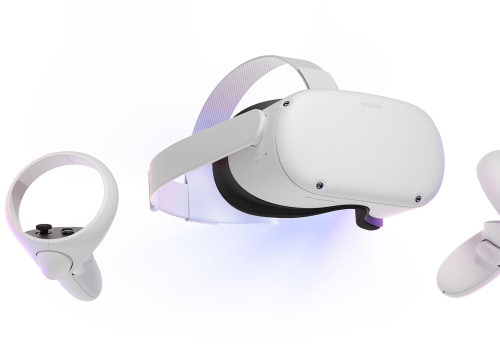
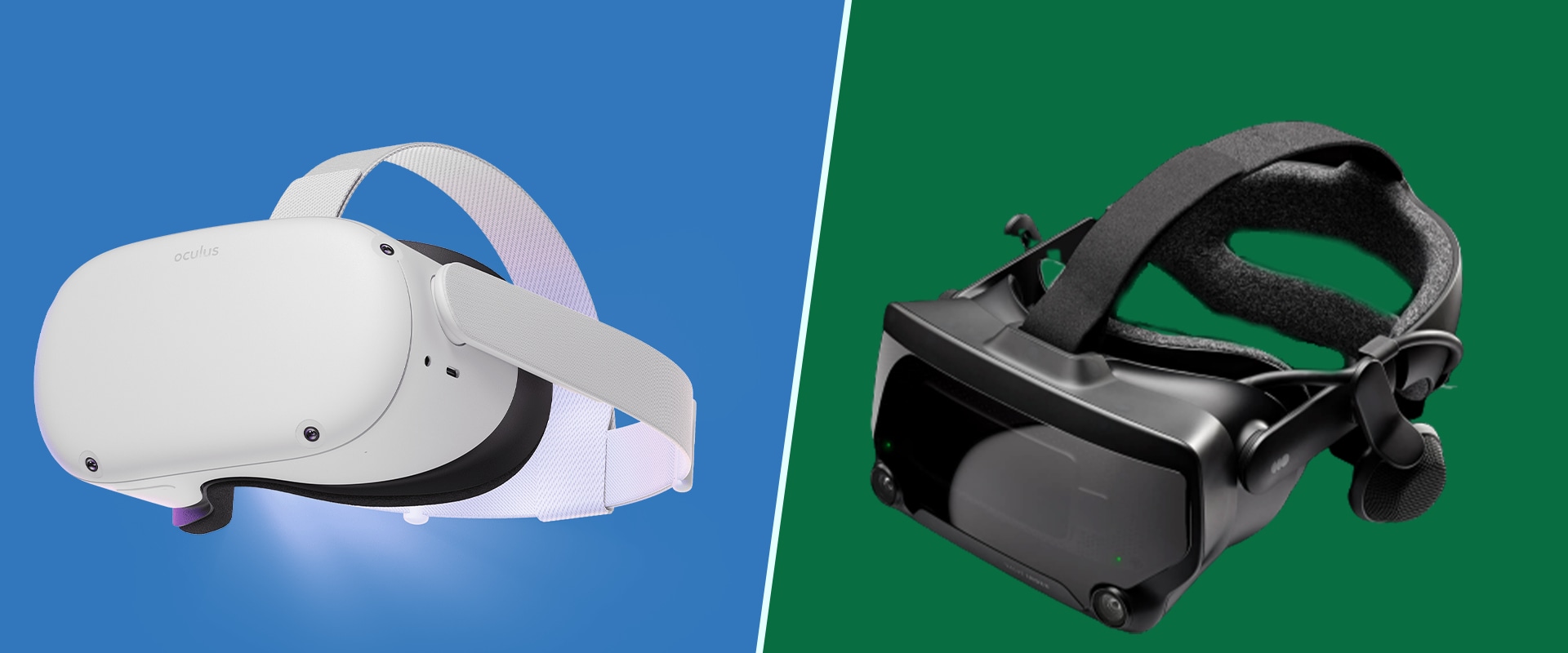
In this comparison, we delve into the key features of three prominent brands: Oculus, HTC, and Valve, helping you make an informed decision. The Oculus headsets, particularly the Meta Quest series, have garnered a reputation for their user-friendly experience and versatility. One standout feature is their standalone capability, which allows users to enjoy VR without needing a powerful gaming PC. This makes the Oculus headsets highly accessible for casual gamers and newcomers to the VR scene. The display quality is impressive, with a resolution of 1832 x 1920 pixels per eye, ensuring a sharp and immersive visual experience.
Additionally, the Oculus offers a robust ecosystem of games and applications, including popular titles like Beat Saber and Superhot, making it an attractive option for those looking to dive into a variety of experiences. On the comfort front, Oculus headsets are designed with adjustable straps and cushioning, providing a snug fit for extended gaming sessions. User reviews often highlight the lightweight design as a significant advantage, allowing for hours of immersive play without discomfort. However, some users have raised concerns about the lack of external tracking cameras, which can limit positional accuracy in certain scenarios.
HTC
, known for its Vive series, takes a different approach with its focus on room-scale tracking technology. The Vive Pro 2, for instance, offers an impressive resolution of 2448 x 2448 pixels per eye and features advanced tracking capabilities through external base stations.This setup allows for precise movement tracking within a larger play area, making it ideal for users who want to experience true room-scale VR. The high fidelity audio included with the headset further enhances immersion, providing users with an unparalleled auditory experience. The HTC Vive ecosystem is rich in content as well, featuring titles across various genres that cater to different tastes. However, potential buyers should be aware of the higher price point associated with HTC headsets compared to their competitors. User feedback often points out that while the performance justifies the cost for serious enthusiasts, it may not be practical for casual users or those on a budget.
Valve's Index
headset is another contender worth considering.Lauded for its high-fidelity audio and exceptional build quality, the Index provides an immersive experience that appeals to hardcore gamers. The display features a refresh rate of up to 144Hz and a resolution of 1440 x 1600 pixels per eye, resulting in smooth visuals that enhance gameplay fluidity. One of the most praised aspects of the Index is its finger-tracking controllers, which allow for more natural interactions within virtual environments. While the Valve Index excels in performance and offers a premium experience, it does come at a steep price point that may deter some users. Additionally, like the HTC Vive, it requires external base stations for optimal tracking, which can complicate setup in smaller spaces.
User reviews highlight both admiration for its capabilities and frustration over the necessary hardware requirements. In summary, each brand offers unique features catering to different user preferences. The Oculus Meta Quest series stands out for its standalone capability and ease of use but may lack precision in tracking without external devices. The HTC Vive series is ideal for those seeking room-scale experiences and excellent audio but comes at a higher cost. Lastly, Valve's Index impresses with high-quality visuals and innovative controllers but requires a significant investment and additional setup.
By weighing these factors along with user reviews and expert opinions, you'll be better equipped to choose the right headset that fits your VR needs.
VR Beyond Gaming: Applications in Education and Training
While the world of virtual reality is often dominated by gaming, Oculus, HTC, and Valve headsets are making significant strides in various other fields, particularly in education and professional training. The immersive experience offered by these devices allows users to engage with content in ways that traditional methods cannot achieve. In educational settings, VR provides an interactive platform for students to explore complex subjects. For instance, medical students can perform virtual surgeries, giving them hands-on experience without the risks associated with real-life procedures. Similarly, history lessons can come alive as students take virtual field trips to ancient civilizations or historical events, enhancing their understanding of the material. In professional training, companies are increasingly adopting VR technology to create realistic simulations for their employees.Industries such as aviation use VR to train pilots in a risk-free environment, while manufacturing companies utilize it for safety training and equipment handling. This method not only improves retention but also allows for repeated practice until mastery is achieved. The versatility of these headsets makes them valuable tools across various sectors, proving that the potential of VR extends far beyond gaming. As these technologies continue to evolve, we can expect even more innovative applications that will transform how we learn and train.
Oculus: Accessibility and Game Library
Oculus headsets have made significant strides in the VR market, particularly due to their user-friendliness and affordability. Designed with accessibility in mind, Oculus offers a seamless setup process that allows even novice users to dive into virtual reality with minimal hassle.The intuitive interface and straightforward navigation make it easy for users to start enjoying VR experiences right out of the box. One of the standout features of Oculus headsets is their extensive game library. With a wide variety of titles ranging from immersive adventures to educational experiences, users are sure to find something that suits their interests. Popular games like Beat Saber, Half-Life: Alyx, and VRChat showcase the versatility of Oculus offerings, catering to both casual gamers and hardcore enthusiasts alike. The affordability of Oculus headsets, such as the Oculus Quest 2, further enhances their appeal. With a competitive price point, these devices provide excellent value for those looking to explore the world of virtual reality without breaking the bank.
This combination of accessibility, a robust game library, and affordability makes Oculus a compelling choice for anyone considering a VR headset.
HTC: Premium Experience with Advanced Features
When it comes to VR headsets, HTC has established itself as a leader in the industry, particularly with its VIVE series. The company's commitment to high-end hardware sets it apart from competitors, providing users with an exceptional virtual reality experience. HTC's focus on premium components ensures that users are equipped with cutting-edge technology that enhances their immersion in virtual environments. One of the standout features of HTC headsets is their superior tracking capabilities. Utilizing advanced sensors and base stations, HTC offers precise motion tracking that allows for a seamless experience.This level of accuracy is crucial for applications ranging from gaming to professional training simulations, where even the slightest delay can disrupt the experience. Moreover, HTC headsets are designed to deliver immersive experiences that engage multiple senses. With high-resolution displays and wide field-of-view, users can enjoy stunning visuals that pull them deeper into the virtual world. The integration of spatial audio further enhances this realism, creating a soundscape that matches the visuals and heightens the overall engagement. Whether you are a gamer seeking the best performance or a professional looking for reliable training tools, HTC's dedication to innovation and quality makes its headsets a top choice in the realm of virtual reality.
Future Trends in VR Technology
As virtual reality continues to evolve, several upcoming advancements in technology are poised to significantly impact headset designs and user experiences. One of the most exciting trends is the development of higher resolution displays.Current headsets already provide impressive visuals, but future models are expected to feature even sharper and more immersive displays, which will enhance the realism of virtual environments. Another key area of advancement is the integration of eye tracking technology. By monitoring users' eye movements, future VR headsets could optimize rendering processes, focusing resources on the areas users are looking at. This not only improves performance but also reduces the strain on hardware, potentially leading to lighter and more comfortable headsets. Additionally, advancements in haptic feedback technology are set to revolutionize user interaction within virtual spaces. Enhanced tactile feedback can create a more immersive experience, allowing users to 'feel' virtual objects and environments, thereby increasing engagement and realism. Furthermore, improvements in wireless technology are likely to play a crucial role in the future of VR.
As latency decreases and bandwidth increases, wireless headsets will become more viable, allowing for greater freedom of movement without the constraints of cables. Finally, we can expect to see a rise in social VR experiences. As virtual reality becomes more mainstream, developers are likely to focus on creating platforms that facilitate social interaction and shared experiences, making VR a more communal activity. In conclusion, as we look to the future of VR technology, these advancements will undoubtedly influence not only how headsets are designed but also how users engage with virtual environments, paving the way for more immersive and accessible experiences.
Valve: The Gold Standard in PC VR
When it comes to high-end virtual reality experiences, Valve has established itself as a frontrunner with its Index headset. Known for its superior technology and remarkable performance, the Index is often regarded as the benchmark for PC VR systems. One of its standout features is the impressive visual fidelity it offers, allowing users to immerse themselves in breathtaking virtual environments with stunning detail and clarity. The Valve Index boasts a high refresh rate of up to 144Hz, which significantly enhances the smoothness of motion and reduces motion sickness – a common concern in VR experiences.Additionally, its wide field of view creates a more engaging and realistic perspective, making it feel as though you are truly part of the virtual world. Moreover, the Index is equipped with advanced tracking technology that utilizes external base stations to provide precise and accurate tracking of the user's movements. This ensures a seamless interaction with the virtual environment, enabling users to fully engage with their surroundings. A key aspect of the Valve Index is its community-driven content. Valve has fostered a robust ecosystem that encourages developers to create innovative experiences tailored for the platform. The SteamVR library offers a vast array of games and applications, ensuring that users have access to a diverse selection of content that continues to grow. In summary, the Valve Index headset stands out in the crowded VR market as a premium option for those seeking the best in PC VR technology.
Its combination of cutting-edge features, exceptional visual fidelity, and strong community support makes it an ideal choice for serious VR enthusiasts.
Comparing Performance: Graphics and Gameplay
When it comes to virtual reality, the performance of a headset is crucial to the overall gaming experience.Oculus
, HTC, and Valve each offer unique features that cater to different types of users, but how do they stack up against each other in terms of graphics quality, latency, and gameplay?The Oculus headsets, particularly the Oculus Quest 2, are known for their impressive graphics and user-friendly interface. With a resolution of 1832 x 1920 per eye, it delivers crisp visuals that enhance immersion. Latency is kept low due to the standalone nature of the headset, which minimizes lag during gameplay.The overall experience is smooth, making it an excellent choice for casual gamers and those new to VR. On the other hand, HTC headsets, such as the HTC Vive Pro 2, offer some of the highest resolutions available in consumer VR, reaching up to 2448 x 2448 per eye. This high pixel density provides stunning detail and clarity in graphics. However, this performance can come at a cost; users may experience higher latency if their hardware isn't up to par with the demanding specifications of the headset. Nonetheless, for those who can meet these requirements, the immersive gaming experience is unparalleled.
Valve
, with its Index headset, strikes a balance between high-quality graphics and responsive gameplay.It features a resolution of 1440 x 1600 per eye and boasts an impressive refresh rate of up to 144Hz. This means that fast-paced games will run smoothly, and players will enjoy a responsive feel without noticeable input lag. The Valve Index also stands out with its unique finger-tracking controllers, enhancing interaction within games. In summary, while Oculus focuses on accessibility and ease of use with great graphics at a competitive price point, HTC prioritizes cutting-edge graphics for serious gamers willing to invest in high-end hardware. Meanwhile, Valve's Index offers an exceptional blend of visuals and gameplay mechanics that appeal to dedicated VR enthusiasts.
Each headset has its strengths, making it essential for users to consider their specific needs when choosing the right VR device. In this comparison of Oculus, HTC, and Valve VR headsets, we have explored the unique strengths and offerings of each brand. The Oculus headsets stand out for their accessibility and extensive game library, making them ideal for newcomers and casual gamers. In contrast, HTC offers a premium experience with advanced features tailored for users seeking high fidelity and immersive environments. Meanwhile, Valve sets the gold standard in PC VR with its high-performance capabilities and rich content ecosystem. When comparing performance, we noted significant differences in graphics and gameplay experiences across these brands, which can greatly influence your choice based on what you prioritize in a headset.
Beyond gaming, we also discussed the growing applications of VR in education and training, showcasing how these headsets can be leveraged in various professional fields. As you consider which VR headset is right for you, it is essential to reflect on your specific needs, preferences, and budget. Whether you are an avid gamer, a professional looking to enhance your training techniques, or simply curious about the possibilities of virtual reality, there is a headset that fits your requirements. We encourage you to stay updated with the latest trends in VR technology to make informed decisions as the landscape continues to evolve.