As we stand on the brink of a technological revolution, virtual reality (VR) emerges as a frontrunner, poised to transform not just entertainment but also various facets of our daily lives. With advancements happening at a breakneck pace, the trends shaping the future of VR are becoming increasingly evident, offering a glimpse into a world where virtual experiences seamlessly blend with reality. This article delves into the cutting-edge innovations and evolving trends that are set to redefine our interactions with digital environments. From immersive gaming experiences that transport players into fantastical worlds to practical applications in education, healthcare, and beyond, the potential of VR is boundless.
As industries adapt to these changes, understanding the trajectory of VR technology becomes crucial for enthusiasts and professionals alike. Join us as we explore the future landscape of virtual reality, examining how emerging technologies, user experiences, and market dynamics are paving the way for a new era of interaction. Whether you're a tech aficionado or simply curious about the next big thing in digital experiences, this journey into the world of VR promises to be enlightening and inspiring. The significance of virtual reality (VR) in today’s digital landscape cannot be overstated. As technology advances and consumer interest grows, VR is increasingly becoming a vital tool across various sectors such as gaming, education, and training. This growth reflects a broader trend where VR is not just a novelty but an integrated part of our daily lives, prompting users to seek information on the latest trends and products in the field. One of the key trends shaping the future of VR is the rapid advancement in hardware.
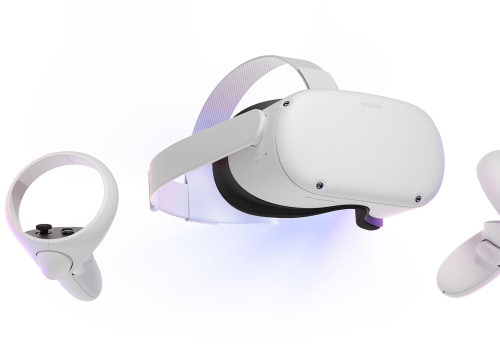
Modern VR headsets, such as the Meta Quest 2 and Valve Index, are becoming more sophisticated, providing higher resolutions, wider fields of view, and improved tracking capabilities. These enhancements create a more immersive experience that draws users into virtual environments. Additionally, controllers are evolving with haptic feedback technology, enabling users to interact with virtual objects in a way that feels natural and intuitive. The focus on hardware development is crucial as it directly impacts user engagement and satisfaction. On the software side, innovations in game development and user interfaces are propelling the medium forward.
Developers are experimenting with new gameplay mechanics that leverage the unique capabilities of VR, leading to groundbreaking experiences like "Half-Life: Alyx," which has set a new standard for storytelling and interactivity in virtual environments. Furthermore, user interfaces are becoming more user-friendly, allowing even those unfamiliar with VR to navigate seamlessly. This accessibility is critical as it encourages wider adoption among diverse audiences. The applications of VR extend far beyond entertainment. In healthcare, for instance, VR is being utilized for surgical training and patient therapy.
Programs like "Osso VR" allow medical professionals to practice procedures in a risk-free environment, enhancing their skills without the consequences of real-life errors. Similarly, real estate companies are using VR for virtual property tours, enabling potential buyers to explore homes remotely and make informed decisions without physical visits. In the realm of remote collaboration, platforms like "Spatial" provide virtual meeting spaces where teams can interact as if they were in the same room, thus transforming how organizations operate. Popular VR games and experiences are continually pushing the boundaries of technology. Titles such as "Beat Saber" and "Boneworks" illustrate the potential for immersive gameplay that combines physical movement with engaging narratives.
These experiences not only entertain but also serve as examples of how far VR has come in creating realistic simulations that can captivate audiences. User experience and accessibility remain paramount in VR design. As technology evolves, ensuring that all users can effectively engage with VR content is essential for fostering widespread adoption. Developers are increasingly prioritizing intuitive controls and accommodating various physical abilities to create an inclusive environment for all users. The market growth for VR is substantial and supported by statistical data indicating a rising consumer preference for immersive technologies. According to a report by Grand View Research, the global VR market size was valued at approximately $15 billion in 2020 and is projected to expand at a compound annual growth rate (CAGR) of over 18% from 2021 to 2028. This impressive growth suggests that more consumers are recognizing the value of VR experiences across different sectors. However, contrasting opinions exist regarding the future trajectory of VR.
Some industry experts believe that as technology continues to improve, VR will achieve mainstream adoption similar to smartphones or personal computers. They argue that increased accessibility and compelling content will drive this shift, making VR a staple in everyday life. Conversely, others contend that despite its advancements, VR may remain niche due to high costs associated with quality equipment and limited content offerings that appeal to broader audiences. Ultimately, the trends shaping the future of virtual reality reflect an exciting evolution within the industry. With ongoing advancements in hardware and software, expansive applications across various fields, and an increasing focus on user experience and accessibility, VR is poised to carve out an influential role in our digital landscape.
Whether it becomes a mainstream phenomenon or remains a specialized tool will depend on how effectively the industry addresses current challenges while continuing to innovate.
Beyond Gaming: VR Applications in Education and Training
Virtual Reality is rapidly transforming the landscape of education and professional training, offering immersive experiences that were previously unimaginable. As institutions seek innovative methods to engage students and enhance learning outcomes, VR is proving to be a powerful tool. In educational settings, VR technology enables students to explore complex concepts through interactive simulations. For instance, medical students can practice surgeries in a risk-free environment, allowing them to gain hands-on experience before entering the operating room. Similarly, history students can take virtual field trips to ancient civilizations, making lessons more engaging and memorable. Professional training programs are also increasingly adopting VR applications.Industries such as aviation, manufacturing, and healthcare utilize VR for safety training and skill development. By simulating real-world scenarios, employees can learn how to respond to emergencies or operate machinery without the associated risks. This not only enhances the learning experience but also improves retention rates and confidence among trainees. The accessibility of VR is another factor driving its integration into education and training. As hardware becomes more affordable and software solutions improve, schools and organizations are embracing VR as a viable option for enhancing their curricula.
With the ability to reach remote learners, VR education can bridge geographical gaps, ensuring that quality training is available to everyone, regardless of location. In summary, the applications of virtual reality in education and training extend far beyond gaming. By providing immersive, interactive experiences, VR is reshaping how knowledge is imparted and skills are acquired in various fields.
VR in Gaming: A New Frontier
The advent of virtual reality (VR) technology has transformed the gaming industry, offering players unprecedented levels of immersion and interactivity. Traditional gaming experiences, which often relied on screens and controllers, are now evolving into fully immersive environments where players can engage with the game world in ways that were previously unimaginable. One of the most significant advancements in VR gaming is the ability to create immersive experiences that envelop players in a 360-degree environment. This technology allows gamers to step inside their favorite game worlds, interact with characters, and experience stories from a first-person perspective.The result is a deeper emotional connection to the gameplay, as players become active participants rather than passive observers. Moreover, VR has opened new avenues for storytelling in games. Developers are now able to craft narratives that leverage the unique capabilities of VR, creating scenarios where choices have immediate and tangible consequences within the virtual world. This evolution in storytelling fosters a more engaging and personalized gaming experience, encouraging players to explore different outcomes and perspectives. The introduction of VR headsets and motion-sensing technology has further enhanced gameplay dynamics. Players can physically move around their play area, interact with objects, and even engage in multiplayer experiences that feel more realistic than ever before.
As a result, social interactions within games have also evolved, allowing players to collaborate or compete in virtual spaces that mimic real-life settings. As the technology continues to improve, we can expect even more innovations in the realm of VR gaming. The integration of haptic feedback, advanced AI, and augmented reality elements promises to further blur the lines between digital and physical realities. With each advancement, virtual reality is not just reshaping how we play games but also how we perceive them, marking a new frontier in the gaming landscape.
Consumer Insights: What Users Want from VR
As the virtual reality landscape evolves, understanding consumer insights becomes crucial for developers and businesses aiming to create compelling VR experiences. Recent surveys and studies have unveiled that users prioritize several key features when it comes to VR products.First and foremost, immersive experiences remain at the forefront of consumer desires. Users are looking for technology that can fully engage their senses and transport them to new worlds. This demand is driving advancements in graphics, haptic feedback, and audio technology, enabling a more lifelike experience. Moreover, accessibility is a significant factor influencing consumer choices. Users want affordable VR solutions that do not compromise on quality.
As the industry sees a surge in standalone headsets and mobile VR options, consumers are increasingly drawn to products that offer both high performance and reasonable pricing. The desire for social interaction within virtual environments has also emerged as a prominent trend. Users are expressing interest in multi-user capabilities that allow them to connect with friends or meet new people in VR spaces. This social aspect enhances the overall experience and encourages prolonged engagement with VR platforms. Lastly, consumers are keen on content variety. There is a growing appetite for diverse applications of VR beyond gaming, including education, training simulations, and virtual tourism.
As these sectors continue to explore the potential of virtual reality, users are eager to see innovative content that meets their specific interests and needs. In summary, analyzing consumer feedback reveals that the future of VR technology hinges on immersive experiences, accessibility, social interaction, and diverse content. By aligning product development with these insights, businesses can cater effectively to the evolving demands of VR users.
The Future of VR: Predictions and Potential Challenges
As we look ahead, the future of Virtual Reality (VR) technology is poised for remarkable advancements. Experts in the field predict that VR will not only continue to evolve but will also permeate various aspects of our daily lives. According to industry analysts, the integration of VR with artificial intelligence and machine learning will lead to more personalized and immersive experiences, enhancing user engagement across different sectors. One major trend anticipated is the rise of social VR platforms, where users can interact in virtual environments, potentially transforming how we communicate and collaborate.This shift could redefine social norms and create new opportunities for businesses and educational institutions alike. However, the path forward is not without challenges. One significant hurdle is the need for improved hardware accessibility and affordability. While VR technology has made strides in recent years, high-quality headsets and equipment remain costly for many consumers. Additionally, there are concerns regarding the potential health impacts of prolonged VR usage, including motion sickness and eye strain, which developers must address. Moreover, the ethical implications of VR experiences, particularly in sensitive fields like education and therapy, raise questions about user privacy and data security.
As VR becomes more integrated into various industries, it will be essential for stakeholders to establish guidelines that ensure safe and responsible use. In summary, while the future of Virtual Reality is bright with innovation and opportunities, it is crucial for industry leaders to navigate these potential challenges effectively to realize the full potential of this transformative technology.
Technological Advancements Driving VR Forward
As virtual reality continues to evolve, a wave of technological advancements is reshaping the landscape and enhancing user experiences. One of the most significant developments in VR hardware has been the introduction of more powerful and compact headsets. Companies like Oculus, HTC, and Sony are releasing devices that offer higher resolutions, wider fields of view, and improved refresh rates, which contribute to a more immersive experience. In addition to advancements in hardware, software development plays a crucial role in driving the future of VR. Enhanced graphics engines, like Unreal Engine and Unity, are enabling developers to create highly detailed and realistic virtual environments.Furthermore, the integration of artificial intelligence (AI) is allowing for more responsive and interactive experiences, where users can engage with virtual characters in a more lifelike manner. Another trend is the rise of wireless technology, which is eliminating the constraints of cables that have traditionally limited movement within virtual spaces. Innovations in wireless transmission have led to the development of standalone headsets that do not require external hardware, making VR more accessible to a broader audience. The incorporation of haptic feedback devices is also transforming how users interact with virtual environments. These devices simulate touch sensations, allowing users to feel textures and impacts, thus deepening the sense of presence in VR. This tactile feedback is especially important in sectors like gaming and training simulations, where realism enhances engagement and learning. Moreover, advancements in tracking technology, such as inside-out tracking systems, have made it easier for users to navigate virtual spaces without needing external sensors.
This convenience encourages more widespread adoption across various industries. Finally, as cloud computing continues to advance, VR applications will benefit from improved processing power and storage capabilities. This shift allows for richer content delivery and supports complex simulations that can be accessed from anywhere at any time. In summary, the future of virtual reality is being propelled forward by significant technological advancements in hardware and software. As these innovations continue to unfold, they promise to create increasingly immersive experiences that will captivate users across diverse sectors. In conclusion, this article has explored the significant trends shaping the future of virtual reality (VR) technology across various sectors. We discussed the technological advancements that are driving VR forward, highlighting its transformative impact in gaming, education, and training. The exciting potential of VR extends beyond just entertainment; it is revolutionizing how we learn and train, providing immersive experiences that enhance understanding and retention.
As we examined consumer insights, it became clear that users are eager for more accessible and engaging VR experiences that cater to their needs. However, while the future of VR looks promising, there are challenges that must be addressed for widespread adoption, including affordability, content availability, and user comfort. As the industry continues to evolve, it is essential for enthusiasts and professionals alike to stay informed about ongoing developments in the VR landscape. By doing so, we can better understand how to navigate these challenges and leverage the opportunities presented by this dynamic technology.