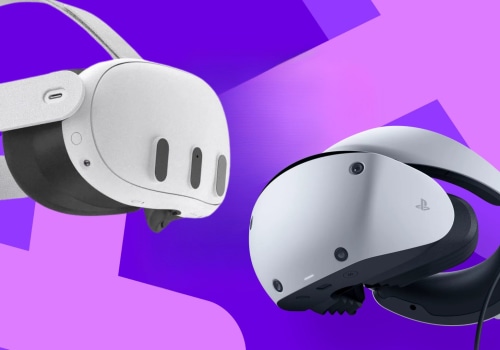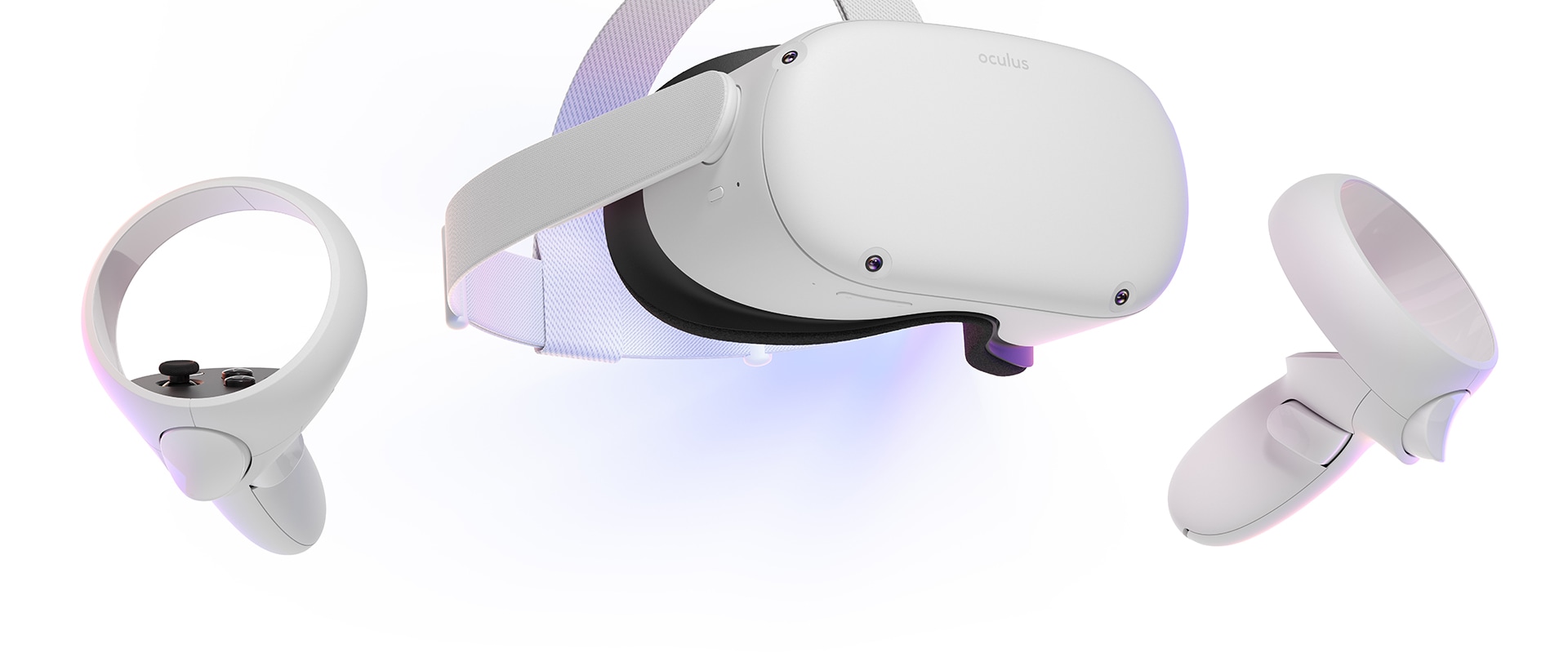
The world of virtual reality has taken a monumental leap forward with the arrival of the Oculus Quest 2. As gaming enthusiasts and tech aficionados alike flock to experience this groundbreaking device, it's essential to take a closer look at what makes it a standout choice in the ever-evolving landscape of VR headsets. From its impressive graphics capabilities to its user-friendly design, the Oculus Quest 2 promises to redefine how we interact with digital worlds. In this comprehensive review, we will delve into every aspect of the Oculus Quest 2, examining its performance, features, and overall value. Whether you are a seasoned VR veteran or a newcomer eager to explore this immersive technology, our insights will help you understand why the Oculus Quest 2 is being hailed as the future of VR gaming.
Prepare to uncover the strengths and weaknesses of this remarkable headset, ensuring you make an informed decision on your next gaming investment. The rise of virtual reality (VR) technology has revolutionized the gaming landscape, opening new realms of interactive experiences that were once confined to the realm of science fiction. Among the frontrunners in this evolving industry is the Oculus Quest 2, a wireless VR headset that has become a game-changer for both casual gamers and VR enthusiasts alike. With an impressive blend of performance, affordability, and ease of use, the Oculus Quest 2 stands as a prominent player in the VR market, making it essential to explore its features, performance, and overall value. At the heart of the Oculus Quest 2 are its robust hardware specifications. The headset boasts a stunning display quality with a resolution of 1832 x 1920 pixels per eye, offering crystal-clear visuals that enhance immersion in virtual worlds. , a wireless VR headset that has become a game-changer for both casual gamers and VR enthusiasts alike. With an impressive blend of performance, affordability, and ease of use, the Oculus Quest 2 stands as a prominent player in the VR market, making it essential to explore its features, performance, and overall value. At the heart of the Oculus Quest 2 are its robust hardware specifications. The headset boasts a stunning display quality with a resolution of 1832 x 1920 pixels per eye, offering crystal-clear visuals that enhance immersion in virtual worlds.
Coupled with a refresh rate of up to 120Hz, users experience smoother graphics and reduced motion blur, which is crucial for fast-paced gaming scenarios. The processing power is driven by the Qualcomm Snapdragon XR2 platform, which provides significant advancements over its predecessor. This powerful chipset ensures that even graphically intensive games run seamlessly, allowing players to fully engage with their environments without frustrating lag or stuttering. Comfort is another critical aspect of the Oculus Quest 2.The headset is designed with user comfort in mind, featuring adjustable straps and a lightweight build that makes it suitable for extended gaming sessions. However, some users have noted that the stock facial interface can feel a bit snug after prolonged use.
Fortunately, there are third-party accessories available that enhance comfort and provide a more customized fit. The gaming library available on the Oculus Quest 2 is impressive and continually expanding. Titles like Beat Saber, Half-Life: Alyx, and The Walking Dead: Saints & Sinners have garnered rave reviews from players, showcasing the headset's ability to deliver thrilling gameplay experiences across various genres. The platform also supports cross-buy options for many games, allowing users to enjoy their purchases on both Oculus Quest and Rift platforms, thus enhancing its value proposition. User experiences vary widely, but many players highlight the captivating sense of presence that VR brings to gaming. Reviews often praise the intuitive controls and immersive gameplay but also point out limitations such as battery life, which can fall short during extended play sessions.
Additionally, some users have expressed concerns about Facebook account requirements for accessing certain features and games, which may deter some potential buyers. Technological advancements within the Oculus Quest 2 further enhance its appeal. Notable features include advanced hand tracking capabilities that allow users to interact with virtual environments without needing external controllers. This innovation not only elevates gaming experiences but also paves the way for future applications in other fields. The wireless capabilities of the headset eliminate cumbersome cords, providing freedom of movement that enhances immersion and makes setup straightforward. Beyond gaming, the Oculus Quest 2 serves as a versatile tool in various sectors such as education and training.
Programs like Engage and Immersive VR Education create realistic simulations for learning environments where students can participate in interactive lessons or historical recreations. Similarly, companies utilize VR for training simulations in fields like healthcare and manufacturing, allowing employees to practice skills safely before applying them in real-world scenarios. When comparing the Oculus Quest 2 to other headsets on the market, it becomes evident that while it excels in accessibility and versatility, it does face competition from high-end systems like the Valve Index or HTC Vive Pro. These systems often offer superior graphics and tracking capabilities but at a significantly higher price point and with added complexity regarding setup and space requirements. The Oculus Quest 2 emerges as a compelling option for those who seek an affordable entry into VR without sacrificing too much performance. However, potential critiques regarding price do exist; while the Oculus Quest 2 is reasonably priced within the VR market, some may argue that certain limitations—such as lower graphical fidelity compared to high-end systems—could hinder long-term satisfaction for serious gamers.
Nevertheless, for many users, particularly those new to VR or seeking an all-in-one solution, the value provided by the Oculus Quest 2 far outweighs these drawbacks. In conclusion, the Oculus Quest 2 represents a significant milestone in the evolution of virtual reality gaming. With its impressive hardware specifications, expansive game library, user-friendly features, and applications beyond gaming, it solidifies its status as a top contender in the VR landscape. Nevertheless, for many users, particularly those new to VR or seeking an all-in-one solution, the value provided by the Oculus Quest 2 far outweighs these drawbacks. In conclusion, the Oculus Quest 2 represents a significant milestone in the evolution of virtual reality gaming. With its impressive hardware specifications, expansive game library, user-friendly features, and applications beyond gaming, it solidifies its status as a top contender in the VR landscape.
Design and Comfort
The Oculus Quest 2 showcases a thoughtful design that prioritizes both aesthetics and functionality. Weighing in at just under 500 grams, this headset is remarkably lightweight compared to many of its competitors, making it comfortable for extended gaming sessions. Its streamlined profile reduces bulk, allowing users to immerse themselves in virtual worlds without feeling encumbered. The fit of the Oculus Quest 2 has been enhanced with adjustable straps that provide a secure yet comfortable experience.The head strap is made from a soft, breathable fabric that conforms to the shape of the user's head, ensuring a snug fit without causing discomfort. Additionally, the device features a customizable lens spacing, allowing users to adjust the distance between the lenses for optimal clarity and comfort based on their interpupillary distance. In terms of materials, the Oculus Quest 2 is constructed using durable plastic that feels robust while maintaining a lightweight feel. The front face of the headset is equipped with a soft foam padding that provides cushioning against the face, enhancing comfort during longer usage periods. Overall, the design and comfort of the Oculus Quest 2 contribute significantly to its appeal as a leading VR headset.
Performance and Graphics
The Oculus Quest 2 stands out in the VR landscape not only for its affordability but also for its impressive performance.At the heart of its capabilities lies a powerful Qualcomm Snapdragon XR2 chipset, which significantly enhances the overall experience. This hardware allows for high-quality graphics that can make virtual environments feel immersive and lifelike. When it comes to graphics quality, the Oculus Quest 2 boasts a resolution of 1832 x 1920 pixels per eye. This clarity means that users can enjoy sharp visuals and detailed textures in games and applications, minimizing the screen-door effect often associated with earlier VR headsets. Colors are vibrant, and the depth of field adds to the realism, making it easier to lose oneself in virtual worlds. The headset supports a refresh rate of up to 120Hz, which is crucial for providing a smooth and responsive gaming experience.
A higher refresh rate reduces motion blur and enhances the fluidity of fast-paced action scenes, making the gameplay more enjoyable and less straining on the eyes. This is particularly important for VR gaming where rapid movements can be common. Responsiveness is another key aspect of the Oculus Quest 2's performance. The headset's tracking system utilizes inside-out tracking technology, which means that it doesn’t require external sensors. This system allows for quick and precise tracking of user movements, translating them into the virtual space almost instantly.
This responsiveness is vital for an immersive experience, as delays or lags can break the sense of presence in virtual environments. In summary, the Oculus Quest 2 delivers remarkable performance across graphics quality, refresh rate, and responsiveness, making it a top contender in the VR market. Its capabilities ensure that users can enjoy a rich and engaging virtual reality experience that is both captivating and entertaining.
Game Library
The Oculus Quest 2 boasts an impressive library of games that cater to a wide range of interests and skill levels. From immersive adventures to casual experiences, the platform offers something for every VR enthusiast. One of the standout features of the Oculus Quest 2 is its ability to provide access to both popular titles and exclusive content that cannot be found on other platforms. Among the most notable games available on the Oculus Quest 2 are Beat Saber, a rhythm-based game that challenges players to slash through blocks to the beat of the music, and Half-Life: Alyx, which has been praised for its storytelling and immersive gameplay.Additionally, titles like The Walking Dead: Saints & Sinners and Moss offer unique narratives and engaging gameplay mechanics that showcase the potential of virtual reality. The platform also features a growing selection of exclusive titles, such as Lone Echo II and Resident Evil 4 VR, which enhance the gaming experience with innovative mechanics designed specifically for VR. These exclusive offerings make the Oculus Quest 2 a compelling choice for gamers looking to dive into new worlds and experiences. Overall, the combination of popular games and exclusive content available on the Oculus Quest 2 solidifies its position as a key player in the VR gaming landscape, making it an appealing option for both newcomers and seasoned gamers alike.
Applications in Education and Training
The Oculus Quest 2 is not just a gaming device; it is revolutionizing the way we approach education and training. With its immersive capabilities, the headset offers a unique platform for engaging learning experiences that traditional methods often struggle to provide. In educational settings, the Oculus Quest 2 allows students to explore complex subjects through virtual simulations. For instance, medical students can practice surgical procedures in a risk-free environment, gaining hands-on experience without the consequences of real-life mistakes.This kind of immersive learning can enhance retention and understanding, as students are more likely to remember information when they can visualize and interact with it. Additionally, the headset has found a place in professional training programs across various industries. Corporations are utilizing the Oculus Quest 2 for employee onboarding and skill development. By simulating real-world scenarios, employees can learn how to handle challenging situations, such as customer interactions or emergency response, all within a controlled virtual environment. This innovative approach not only increases engagement but also significantly reduces training costs and time. Furthermore, educators have begun to harness the power of virtual reality for remote learning.
The Oculus Quest 2 breaks geographical barriers, allowing students from different parts of the world to collaborate in shared virtual spaces. This fosters a sense of community and enhances teamwork skills, which are essential in today’s interconnected world. In conclusion, the Oculus Quest 2 is proving to be a valuable tool in both education and professional training. Its ability to create immersive experiences provides learners with opportunities that go beyond traditional classroom settings, making it a pivotal component in shaping the future of learning.
Technology Innovations
The Oculus Quest 2 brings a host of groundbreaking innovations that enhance the virtual reality experience, setting it apart from its predecessors and competitors in the market. One of the standout features is hand tracking, which allows users to interact with the virtual environment using their hands without the need for physical controllers.This innovation creates a more immersive experience, as users can naturally reach out, grab objects, and perform gestures, making interactions feel intuitive and realistic. Another significant advancement in the Oculus Quest 2 is spatial audio. This feature delivers an incredibly realistic sound experience by simulating how sound interacts with the environment around the user. With spatial audio, players can pinpoint the direction of sounds, enhancing their sense of presence in the game world. Whether it’s the rustle of leaves behind them or footsteps approaching from a distance, this technology adds depth to gameplay and increases immersion. Additionally, the wireless gameplay capability of the Oculus Quest 2 is a game-changer for VR enthusiasts.
Unlike many traditional VR setups that require cumbersome cables and external sensors, the Quest 2 operates completely wirelessly. This freedom of movement allows users to explore virtual worlds without the restrictions of being tethered to a PC or console, making for a more enjoyable and unrestricted gaming experience. Overall, the technological innovations found in the Oculus Quest 2 not only enhance gameplay but also redefine how users interact with virtual environments, making it a leading choice for those looking to dive into the world of VR.
Comparison with Other VR Headsets
When evaluating the Oculus Quest 2, it is essential to consider how it stacks up against other popular VR headsets currently on the market. This comparison will focus on key aspects such as price, features, and user experience to give potential buyers a comprehensive understanding of what each headset offers. First, let’s talk about price. The Oculus Quest 2 is generally more affordable than many high-end options, retailing around $299 for the base model.In contrast, headsets like the Valve Index start at around $999, offering advanced technology but at a significantly higher price point. The HTC Vive Pro 2, another premium option, is priced similarly high, making the Quest 2 an attractive choice for those new to VR or on a budget. Next, we will examine features. The Oculus Quest 2 boasts impressive specs, including a resolution of 1832 x 1920 per eye and a refresh rate of up to 120Hz. In comparison, the Valve Index offers a higher refresh rate of 144Hz for smoother gameplay but requires external sensors and powerful PC hardware, making it less user-friendly.
The HTC Vive Pro 2 also provides stunning visuals with a resolution of 2448 x 2448 per eye; however, it requires a wired connection to a PC, which can limit mobility and ease of setup. User experience is another critical factor in our comparison. The Oculus Quest 2 excels in its all-in-one design, allowing users to enjoy VR without the need for external sensors or a powerful gaming PC. This makes it highly accessible and easy to set up. On the other hand, headsets like the Valve Index and HTC Vive Pro 2 offer more immersive experiences through advanced tracking technologies and superior audio quality but at the cost of greater complexity in setup and usage. In summary, while the Oculus Quest 2 may not have all the bells and whistles of its more expensive counterparts, it provides an excellent balance of price, features, and user experience that makes it a standout choice in the ever-evolving world of VR gaming.In conclusion, the Oculus Quest 2 stands out in the ever-evolving landscape of virtual reality, showcasing impressive design and comfort, remarkable performance and graphics, and a diverse game library that caters to both casual gamers and enthusiasts alike.
Its innovative technology has opened new avenues not only in gaming but also in fields like education and training, making it a versatile tool for various applications. While it does have some limitations, such as the need for a Facebook account and occasional tracking issues, the overall experience it offers is compelling. As you weigh your options in the world of VR headsets, consider what aspects are most important to you—be it comfort, performance, or available content. The Oculus Quest 2 is undoubtedly a strong contender that meets many user needs. We encourage you to share your thoughts or experiences with the Oculus Quest 2, as your insights could help others in their VR journey.