As we stand on the brink of a technological renaissance, major acquisitions in the VR space are not just reshaping corporate landscapes—they're redefining how we interact with digital environments. The virtual reality industry, particularly through advancements in virtual reality headsets, is experiencing unprecedented growth, with giants and startups alike vying for dominance in this immersive frontier. With each strategic acquisition, companies are not only acquiring cutting-edge technologies but also harnessing talent and vision that could propel us into a new era of virtual experiences. From gaming to healthcare, education to real estate, the implications of these acquisitions extend far beyond the boardroom. They signal a shift in how businesses approach innovation and consumer engagement in the digital age. are not just reshaping corporate landscapes—they're redefining how we interact with digital environments. The virtual reality industry, particularly through advancements in virtual reality headsets, is experiencing unprecedented growth, with giants and startups alike vying for dominance in this immersive frontier. With each strategic acquisition, companies are not only acquiring cutting-edge technologies but also harnessing talent and vision that could propel us into a new era of virtual experiences. From gaming to healthcare, education to real estate, the implications of these acquisitions extend far beyond the boardroom. They signal a shift in how businesses approach innovation and consumer engagement in the digital age.
As these powerful entities consolidate their resources and expertise, we are witnessing the emergence of new platforms, tools, and applications that promise to revolutionize our daily lives. In this article, we will delve into the major acquisitions that are shaping the future of virtual reality, exploring key players, significant deals, and the overarching trends that are set to influence this dynamic industry. Join us as we uncover the pivotal moments that are steering VR toward a more immersive, interconnected future. The VR industry has experienced an unprecedented surge in growth over the past few years, with advancements in technology and increasing consumer interest driving its evolution. As this sector expands, major acquisitions are playing a pivotal role in shaping its future. These strategic moves not only transform the gaming landscape but also broaden the applications of virtual reality into various fields such as education, healthcare, and training.
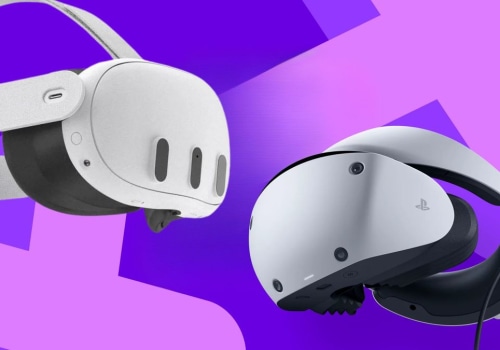
A recent acquisition that has garnered significant attention is Facebook's acquisition of Oculus, which has had profound implications for consumers and the industry alike. In 2014, Facebook acquired Oculus for approximately $2 billion, marking a watershed moment for virtual reality. This acquisition propelled VR into mainstream consciousness and provided Oculus with the resources necessary to accelerate development. Facebook's deep pockets and technological expertise enabled Oculus to enhance its hardware and software capabilities, ultimately leading to the release of popular products like the Oculus Rift and the Oculus Quest. These devices have not only made VR more accessible but have also set new standards for user experience in gaming and beyond. Another significant player in the VR space is Sony, which has made substantial investments in virtual reality through its PlayStation VR platform.
Sony's acquisition of game development studios specializing in VR content has allowed it to create exclusive titles that leverage the immersive capabilities of its hardware. By integrating VR experiences with its extensive gaming ecosystem, Sony aims to enhance user engagement and retain a competitive edge in the gaming market.
Valve
, known for its software and gaming platforms, has also made strategic acquisitions that bolster its position in the VR market.The company's focus on developing the Valve Index headset exemplifies how acquisitions can lead to improved hardware performance and user experience. By acquiring companies that specialize in motion tracking and haptic feedback technologies, Valve has enhanced the immersive quality of its VR offerings, setting a high bar for competitors. While these acquisitions are essential for driving innovation, they also raise concerns about monopolization within the VR space. Critics argue that as major tech companies consolidate their power through acquisitions, competition diminishes, potentially stifling creativity and limiting choices for consumers. However, it is important to recognize that a vibrant competitive landscape remains crucial for fostering innovation.
Smaller companies and startups continue to emerge, offering unique solutions and challenging established players to innovate further. The interplay between major acquisitions and competition is vital for the future of virtual reality. As established giants like Facebook, Sony, Google, and Valve continue to invest heavily in this space, they not only enhance their own market positions but also contribute to an ecosystem that encourages new ideas and approaches. Ultimately, these acquisitions are shaping the trajectory of virtual reality technology, improving user experiences across various applications while ensuring that competition remains a driving force behind ongoing innovation.
Future Trends in VR Technology
The landscape of Virtual Reality (VR) is continuously evolving, driven by a wave of strategic acquisitions that are reshaping the industry. As companies merge and acquire innovative startups, we are witnessing the emergence of several key trends that promise to redefine the future of VR technology. One of the most significant trends is the integration of artificial intelligence (AI) with VR experiences.As acquisitions bring together expertise in AI and VR, we can expect more immersive and interactive environments. This synergy will enable developers to create smart virtual experiences that adapt to user behavior, enhancing personalization and engagement. Moreover, the push towards cross-platform compatibility is gaining traction. With major players acquiring companies that specialize in software development, we can anticipate a more cohesive ecosystem where VR applications can seamlessly operate across various devices. This shift could lead to an increase in user adoption as consumers benefit from a broader range of compatible content. The rise of social VR is another trend to watch.
As companies acquire platforms focused on social interaction within virtual spaces, we may see a shift in consumer preferences towards shared experiences. This could transform how users engage with VR, moving from solitary gaming to collaborative environments that foster community and connection. Finally, there is a growing focus on healthcare applications. Recent acquisitions in this sector highlight the potential for VR to revolutionize medical training and therapy. The integration of VR into healthcare is likely to expand significantly, with applications ranging from surgical simulations to mental health treatments, offering exciting prospects for both practitioners and patients alike. In summary, as acquisitions continue to shape the VR industry, emerging technologies and shifting consumer preferences will play a pivotal role in defining the future of virtual reality.
Staying informed about these trends will be essential for anyone looking to navigate this rapidly changing landscape.
Impact on Gaming Experiences
The VR gaming industry has witnessed a remarkable transformation, largely driven by strategic acquisitions that enhance both technological capabilities and creative potential. Major players in the market have recognized the need to innovate and expand their offerings, leading to significant shifts in gaming experiences. For instance, when Facebook acquired Oculus VR, it marked a pivotal moment for virtual reality gaming. This acquisition not only provided Oculus with substantial funding but also integrated its technology with Facebook's vast social platform. As a result, games like Beat Saber and Oculus Quest have flourished, offering immersive multiplayer experiences that were previously unattainable. Similarly, the acquisition of ZeniMax Media by Microsoft has had profound implications for VR gaming, particularly with the development of titles like DOOM VFR and Wolfenstein: Cyberpilot.These games leverage the advanced graphics and processing power of Microsoft’s hardware, creating hyper-realistic environments that engage players in unprecedented ways. The impact of these acquisitions extends beyond just game development; they also foster collaborations between studios that enhance the quality of VR titles. For example, partnerships formed after acquisitions often lead to shared resources and expertise, resulting in innovative gameplay mechanics that redefine user experience. Moreover, as companies invest in expanding their VR ecosystems, the diversity of available content increases. Titles such as No Man's Sky, which received significant updates post-acquisition by Hello Games, showcase how acquisitions can revitalize existing games with new VR capabilities, attracting both new players and retaining loyal fans. In conclusion, acquisitions within the VR space are not merely business transactions; they are catalysts for innovation that significantly reshape gaming experiences. As the industry continues to evolve, we can expect further advancements driven by these strategic moves.
VR Beyond Gaming: Educational and Training Applications
The rapid advancements in virtual reality (VR) technology, fueled by significant acquisitions, are paving the way for transformative applications beyond the gaming industry.Educational institutions and professional training environments are increasingly adopting VR solutions, enhancing learning experiences and improving skill acquisition. One notable example is the acquisition of AltspaceVR by Microsoft, which has expanded the possibilities for immersive learning in educational settings. Through this platform, educators can create interactive classrooms where students can engage with subjects in a 3D environment, promoting better retention and understanding of complex concepts. Another significant case is the partnership between Facebook’s Oculus and various universities to develop VR training modules for medical students. These programs allow students to practice surgical procedures in a risk-free environment, significantly enhancing their practical skills before they enter real-world scenarios. Such implementations demonstrate the potential of VR to revolutionize traditional educational methodologies. Moreover, companies like Pearson have invested in VR technologies to create immersive learning experiences that cater to diverse learning styles.
Their programs leverage VR to simulate real-world scenarios, helping learners apply theoretical knowledge in practical situations. These examples highlight how acquisitions in the VR space are not only reshaping the entertainment landscape but are also integral to fostering innovation in education and training. As more organizations recognize the value of immersive technology, we can expect an even broader adoption of VR across various sectors.
Key Players in VR Acquisitions
The landscape of virtual reality (VR) is rapidly evolving, and several major companies are making significant strides through strategic acquisitions. These companies recognize that acquiring innovative technologies and talented teams is essential for staying competitive in this fast-paced industry. One of the foremost players in the VR space is Meta Platforms, Inc., formerly known as Facebook. Meta has heavily invested in VR through its acquisition of Oculus VR in 2014, which set the stage for its ambitious vision of a metaverse.By integrating Oculus technology into its social media platforms, Meta aims to create immersive experiences that redefine social interaction. Another key player is Microsoft, which has made notable acquisitions such as AltspaceVR and the mixed-reality platform AltspaceVR. Microsoft’s motivations revolve around enhancing its enterprise solutions, particularly through the integration of VR into its cloud services and productivity tools. These acquisitions align with its broader strategy to dominate the enterprise software market by offering immersive training and collaboration environments.
By incorporating VR technology into its offerings, Google aims to revolutionize how content is created and consumed, particularly in classrooms. Additionally, companies like Sony and Apple are making waves with their acquisitions. Sony has focused on enhancing its gaming portfolio through acquisitions that bolster its PlayStation VR capabilities. Meanwhile, Apple’s rumored interest in acquiring VR-related startups signals a commitment to integrating augmented reality (AR) and VR into its ecosystem, possibly aligning with its broader vision of spatial computing. These acquisitions are not just about expanding product lines; they reflect a deeper strategic alignment with each company's long-term goals. By investing in cutting-edge VR technologies, these key players are positioning themselves at the forefront of an industry poised for exponential growth. In conclusion, the importance of acquisitions in the VR industry cannot be overstated.
As we have seen, these strategic moves are pivotal in driving innovation and expanding the scope of virtual reality applications. The ongoing evolution of VR technology is set to reshape not only the gaming landscape but also sectors such as education and training. With each acquisition, we witness new possibilities and enhancements that will ultimately benefit consumers and industries alike. As exciting developments continue to emerge, it is clear that the future of VR holds immense potential, paving the way for transformative experiences across various fields.