Welcome to a captivating realm where Puzzle and strategy VR games take you on an immersive journey that challenges your mind and engages your senses. As virtual reality technology continues to evolve, it opens up new dimensions for gamers, inviting them to step beyond the limits of traditional gameplay, much like the engaging narratives found in text adventure gamestext adventure games. In this article, we will delve deep into the intriguing world of Puzzle and strategy VR games, exploring how they combine complex problem-solving with strategic thinking to create experiences that are not only entertaining but also intellectually stimulating. Imagine solving intricate puzzles while being surrounded by breathtaking environments that make you feel as if you are truly part of the game. The beauty of VR lies in its ability to transport players into diverse settings, whether it’s a mysterious ancient temple filled with cryptic clues or a futuristic landscape requiring tactical maneuvering.
These games demand not just quick reflexes but also careful planning and foresight, making each session a unique blend of challenge and creativity. As we navigate through the various types of Puzzle and strategy VR games, you will discover titles that have captured the hearts of gamers worldwide. From cooperative challenges that require teamwork to solo adventures that test your cognitive skills, there’s something for everyone in this genre. Join us as we uncover the mechanics, design philosophies, and the community surrounding these games, shedding light on why they are becoming increasingly popular among VR enthusiasts. So, grab your headset and prepare to immerse yourself in a world where every decision counts and each puzzle solved brings you one step closer to victory. Let’s embark on this exciting exploration together!The evolution of puzzle and strategy VR games has been nothing short of remarkable, reflecting the rapid advancements in virtual reality technology.
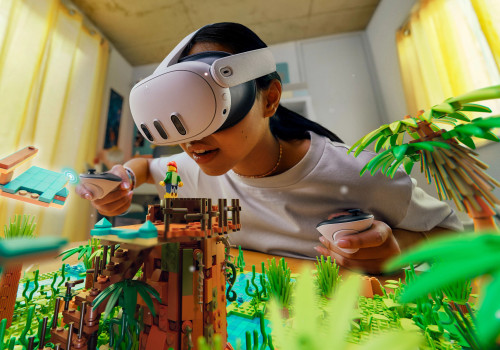
From their early beginnings, these genres have significantly transformed how players engage with challenges and strategize solutions. Notable titles such as Beat Saber and Job Simulator have set benchmarks, showcasing the potential of VR to create engaging and immersive experiences that traditional gaming platforms often struggle to match. In VR, puzzle and strategy games leverage advanced technology to enhance gameplay through intuitive controls and immersive environments. For instance, players can physically manipulate objects within a virtual space, creating a sense of presence that deepens the connection to the game. This tactile interaction not only makes solving puzzles more engaging but also allows for a spatial understanding of problems that flat screens cannot provide.
The sensation of physically reaching out to grab a piece of a puzzle or move game pieces in real-time fundamentally alters how players approach challenges. The cognitive benefits of playing puzzle games in VR are significant. Research indicates that engaging with these games enhances problem-solving skills and critical thinking abilities. As players navigate complex scenarios requiring logical reasoning, they develop mental flexibility and improve their capacity to approach problems from multiple angles. This aspect is particularly appealing to educators and trainers who recognize the value of such skills in both academic and real-world contexts. User reviews and feedback on popular titles highlight a mix of positive experiences and areas for improvement.
Players often praise the immersive nature of VR, noting how it transforms mundane tasks into thrilling challenges. For example, in games like The Room VR: A Dark Matter, users have expressed delight at the intricate puzzles combined with stunning visuals that make the experience feel authentic. However, some common critiques include issues with motion sickness or discomfort after prolonged play sessions, emphasizing the need for developers to refine user comfort. Adapting to VR controls presents potential challenges for players transitioning from traditional gaming. The learning curve can be steep, especially for those unfamiliar with motion-based controls or the physicality required in VR environments.
Unlike conventional puzzle games where players can easily point and click, VR requires a more hands-on approach, which might lead to initial frustrations. Nevertheless, once players acclimate to the new mechanics, many find the experience deeply rewarding. A comparison between VR puzzle games and their non-VR counterparts reveals the added value that virtual reality brings to this genre. While traditional puzzle games often rely on two-dimensional interfaces and static images, VR transports players into dynamic worlds where they can interact with elements in real-time. This level of immersion offers an unparalleled experience; for example, solving a puzzle in a beautifully rendered environment can evoke emotions and engagement levels far beyond what is typically experienced on a flat screen. Interestingly, the integration of puzzle and strategy VR games into educational contexts is becoming increasingly popular.
Educators are recognizing how these immersive experiences can serve as effective teaching tools for developing critical thinking and problem-solving skills among students. By utilizing VR technology in classrooms or training programs, instructors can create interactive scenarios that challenge learners to think creatively while applying theoretical knowledge in practical settings. As we explore the world of puzzle and strategy VR games, it becomes evident that they are more than just entertainment; they represent a burgeoning field that merges creativity with cognitive development. With ongoing technological advancements, the future looks bright for these genres, promising even more innovative gameplay experiences that captivate both casual gamers and dedicated enthusiasts alike.
Educational Applications of VR Puzzle Games
The integration of VR puzzle games in educational settings is revolutionizing the way students engage with learning materials. By utilizing immersive environments, these games foster an interactive experience that enhances critical thinking and problem-solving skills.In a virtual reality space, learners can tackle complex challenges that require them to apply theoretical knowledge in practical scenarios. One significant advantage of VR puzzle games is their ability to create realistic simulations. For instance, students studying chemistry can interact with molecular structures in a virtual lab, allowing them to visualize and manipulate elements in ways that traditional textbooks cannot provide. This hands-on approach deepens understanding and retention of scientific concepts. Moreover, VR puzzle games cater to diverse learning styles. Visual learners benefit from the vivid graphics and spatial arrangements, while kinesthetic learners engage through physical interaction with the game environment.
This inclusivity promotes a more comprehensive learning experience, accommodating various educational needs. Additionally, educators have found that VR puzzle games can significantly boost motivation and engagement among students. The gamified elements, such as rewards and challenges, encourage learners to persist through difficult tasks. This increased engagement not only improves academic performance but also fosters a positive attitude towards learning. Furthermore, the collaborative aspect of many VR puzzle games allows students to work together to solve problems, promoting teamwork and communication skills. In group settings, students can share ideas and strategies, leading to a richer learning experience where they learn from each other. As technology advances, the potential for VR puzzle games in education continues to grow.
With ongoing research and development in this field, educators can expect even more innovative applications that will further enhance learning outcomes and prepare students for future challenges.
The Future of VR Gaming: Trends to Watch
As the world of VR gaming continues to evolve, several key trends are emerging that promise to shape the future of puzzle and strategy VR games. One significant trend is the advancement of hardware technology, with companies investing heavily in more powerful processors, improved graphics, and enhanced motion tracking capabilities. These developments are enabling developers to create more complex and immersive environments, allowing players to engage in intricate puzzles and strategic gameplay that feels more lifelike than ever before. Another trend to watch is the rise of social VR experiences. As multiplayer functionalities become more sophisticated, players can collaborate or compete with others in real-time, enhancing the challenge and enjoyment of puzzle and strategy games.This social aspect not only brings a new dimension to gameplay but also fosters community building among players, making it easier to share strategies and solutions. Additionally, the integration of artificial intelligence (AI) in VR games is set to revolutionize how challenges are presented. AI can create dynamic scenarios that adjust based on player performance, ensuring that each experience is unique and tailored to individual skill levels. This adaptability can significantly enhance the replayability of puzzle and strategy VR games, keeping players engaged for longer periods. The expansion of cross-platform compatibility is also a notable trend. As more VR titles become accessible across different devices, players can connect and interact regardless of their hardware.
This opens up a broader audience for puzzle and strategy games, allowing for a diverse range of players to participate and enjoy these immersive experiences. Finally, the growing emphasis on user-generated content is likely to impact the landscape of VR gaming. Many developers are now providing tools that allow players to create their own puzzles or strategic scenarios within the game. This not only empowers users but also enriches the overall content available in puzzle and strategy VR games, fostering a creative community that continually contributes to the gaming ecosystem.
The Rise of Puzzle Games in VR
The transition of puzzle games into the realm of virtual reality has been an exciting evolution, driven by technological advancements and a growing appetite for immersive gaming experiences. Historically, puzzle games have captivated audiences since their inception, with classics like Tetris and Sudoku paving the way for innovative gameplay.However, the advent of VR technology has transformed the way players interact with these games, creating a more engaging and tactile experience. As VR gaming technology began to take shape in the early 2010s, developers recognized the potential for puzzle games to leverage the immersive nature of virtual environments. Unlike traditional gaming formats, VR enables players to physically manipulate objects and engage with puzzles in ways that were previously unimaginable. This shift not only enhances player engagement but also introduces new mechanics that challenge conventional problem-solving approaches. The rise of platforms like Oculus Rift and HTC Vive marked a significant turning point, allowing developers to experiment with 3D spatial puzzles that require players to think critically about their surroundings. Games such as Keep Talking and Nobody Explodes and The Room VR: A Dark Matter exemplify how the genre has adapted to take advantage of VR's capabilities, offering unique mechanics that blend collaboration and exploration within a virtual space. Furthermore, advancements in motion tracking and haptic feedback technology have enhanced the overall player experience, making interactions feel more intuitive and satisfying.
Players can now use their hands to manipulate virtual objects, providing a sense of presence that heightens the thrill of solving complex puzzles. As we delve deeper into this evolving genre, it becomes clear that the intersection of puzzle games and VR technology has not only redefined gameplay but has also expanded the potential for future innovations in game design. The ongoing popularity of these immersive experiences is a testament to their ability to captivate players and push the boundaries of what is possible in gaming.
Top Strategy VR Games to Try
As the world of virtual reality continues to expand, strategy VR games have emerged as a captivating genre that challenges players to think critically and make tactical decisions in immersive environments. Here are some of the top strategy games available in VR that showcase the unique features of this engaging genre:1.Vader Immortal: A Star Wars VR Series - This episodic adventure allows players to step into the shoes of a protagonist in the Star Wars universe. Combining elements of strategy with storytelling, players must solve puzzles and engage in lightsaber duels while navigating through the intricate plot woven by the iconic character, Darth Vader.2.Iron Harvest
- Set in an alternate reality post-World War I, Iron Harvest is a real-time strategy game that leverages VR technology to provide an immersive battlefield experience.Players command armies using giant mechs and traditional units, requiring careful planning and strategic thinking to outmaneuver opponents.
3.Rec Room
- While primarily known as a social VR platform, Rec Room features various user-created games that encompass strategy elements. Players can engage in cooperative challenges, build escape rooms, or compete in strategic card games, making it a versatile environment for strategy enthusiasts.4.Warhammer 40,000: Battle Sister
- In this action-packed VR title, players assume the role of a Battle Sister from the Warhammer 40K universe. Strategic combat is essential as players navigate through intense battles, utilizing both melee and ranged attacks while coordinating tactics to defeat their enemies.5.Panzer Dragoon: Voyage Record
- This reimagining of the classic rail shooter integrates strategic elements where players must make quick decisions while flying through beautiful landscapes. The game combines exploration with combat, requiring strategic maneuvering and timing to succeed. These strategy VR games not only provide thrilling gameplay but also immerse players in worlds where their tactical skills are put to the test.With each title offering unique mechanics and challenges, there's something for every fan of the genre to explore.
User Experience: What Players Are Saying
As the realm of Puzzle and strategy VR games continues to evolve, player feedback has become an invaluable resource for understanding the impact of these immersive experiences. Gamers have taken to various platforms to share their thoughts, offering insights into what makes these games appealing and how they enhance the overall gaming experience. Many players express a sense of wonder and engagement when diving into the intricate worlds of Puzzle and strategy VR games. One player shared, "The moment I put on the headset, I felt like I was truly part of the game. The puzzles are challenging yet rewarding, and the strategy elements really make you think critically about your decisions." This sentiment resonates across the community, highlighting the immersive nature of VR technology. Another user noted, "I love how VR adds a new dimension to traditional puzzle games.In one game, I had to physically move objects to solve a puzzle, which made it feel much more interactive than a typical flat-screen game." This hands-on approach is frequently mentioned in reviews, as players appreciate the tactile involvement that VR provides. However, the experience is not without its challenges. Some players have commented on the learning curve associated with Puzzle and strategy VR games. A review stated, "It took me a while to get used to the controls and mechanics, but once I did, I was hooked! The satisfaction of solving complex puzzles in VR is unmatched." This highlights an important aspect of user experience—while there may be initial hurdles, the payoff can lead to deep engagement and enjoyment. Community discussions also reveal a trend towards collaborative gameplay in this genre. Players enjoy teaming up with friends or other gamers to tackle challenges together.
One testimonial read, "Playing puzzle games in VR with friends added an entirely new layer of fun. We could strategize in real-time and help each other out in ways that wouldn’t be possible in a traditional game setting." This social aspect seems to be a significant factor in increasing player satisfaction. In conclusion, feedback from players showcases the unique appeal of Puzzle and strategy VR games. As they navigate through challenges and strategize solutions, gamers find themselves immersed in experiences that blend creativity with critical thinking. The continued growth of this genre speaks volumes about the potential of VR technology to redefine how we approach gaming. In conclusion, the world of Puzzle and Strategy VR Games offers a captivating blend of challenge and immersion that is reshaping the gaming landscape.
We have explored how these genres leverage the unique capabilities of virtual reality to create engaging experiences that draw players into intricate worlds of problem-solving and tactical decision-making. The rise of VR technology has not only enhanced the gameplay mechanics but has also broadened the appeal of these genres, making them accessible to a wider audience. From the innovative game mechanics that allow players to interact with their environments in ways previously unimaginable, to the positive feedback from users highlighting the immersive nature of these games, it is clear that Puzzle and Strategy VR Games are at the forefront of the gaming evolution. Moreover, the educational applications we discussed show that these games can serve as powerful tools for learning, further expanding their value beyond mere entertainment. As we look to the future, it is essential for players and enthusiasts to stay informed about emerging trends and new releases in the VR industry. With continuous advancements in technology, the potential for even more innovative and engaging experiences is on the horizon.
We encourage you to delve deeper into Puzzle and Strategy VR Games and keep an eye on what’s next in this exciting realm.