As the world of technology continues to evolve at a breathtaking pace, new VR headset launches are capturing the imaginations of enthusiasts and casual users alike. Virtual reality has transcended its initial gaming roots to become a multifaceted platform, influencing industries ranging from education to healthcare. With each passing year, manufacturers are pushing the boundaries of what is possible, introducing cutting-edge features that promise to enhance user experience in ways we could only dream of just a decade ago. In this article, we will explore the latest innovations in VR headsets that are making waves in the tech community. From improved display technologies that offer stunning visual fidelity to advancements in tracking systems that allow for seamless interaction within virtual environments, these new devices are not just tools but gateways to immersive experiences.
Whether you are a seasoned VR veteran or a newcomer eager to dive into this exciting realm, understanding these innovations is key to navigating the rapidly changing landscape of virtual reality. Join us as we delve into the features and capabilities of the newest headset models on the market, examining what sets them apart and how they can transform your virtual experiences. The future of VR is bright, and staying informed about these new VR headset launches is essential for anyone looking to harness the power of this groundbreaking technology. The world of VR technology is advancing at an astonishing rate, with new VR headset launches capturing the attention of tech enthusiasts and casual users alike. As we delve into the latest innovations, it is essential to understand what makes these headsets unique and how they are transforming user experiences across various domains. Recent releases have introduced a plethora of exciting features that cater to both gamers and educators, pushing the boundaries of what virtual reality can achieve. Recent VR headset launches have showcased key features that set them apart from their predecessors.
For instance, the latest models boast high-resolution displays, offering immersive visuals that bring virtual environments to life. Innovations such as eye-tracking technology enhance user interaction, enabling more intuitive control mechanisms. Additionally, advancements in wireless capabilities eliminate the constraints of tangled cords, allowing users to move freely within their VR spaces. These features create an unparalleled gaming experience, particularly in titles such as Half-Life: Alyx, where players navigate intricate environments and engage in realistic combat scenarios. When discussing gaming experiences, it is crucial to highlight how new VR headsets effectively utilize popular games.
Titles like Beat Saber and Boneworks demonstrate the potential of VR to create engaging, interactive gameplay. Players can immerse themselves in rhythm-based challenges or physics-driven puzzles that require not only skill but also spatial awareness. The feedback from gamers has been overwhelmingly positive, with many praising the level of immersion these headsets provide. User reviews often highlight the seamless integration of gameplay mechanics with VR technology, making it a must-try for both seasoned gamers and newcomers alike. To gain further insight into the impact of these devices, examining user feedback is vital.
Many users have shared their experiences on various platforms, detailing both the positives and negatives of the latest VR headset launches. Common praises include the stunning graphics and the comfort of wearing the headsets for extended periods. However, some users have expressed concerns regarding motion sickness and the initial learning curve associated with adapting to VR environments. Understanding these perspectives is crucial for potential buyers who seek a headset that suits their preferences. Turning our attention to technological advancements, recent developments in display quality have been significant.
Newer headsets feature higher refresh rates and improved pixel density, resulting in clearer visuals and reduced blurriness during fast-paced movements. Tracking accuracy has also seen substantial enhancements, with advanced sensors allowing for precise movement detection, providing a more immersive experience. Furthermore, innovations in wireless technology facilitate seamless connectivity, enabling users to enjoy VR without being tethered to their PCs or consoles. The applications of VR extend beyond gaming; its potential in education and training is equally promising. Several institutions have successfully integrated VR technology into their curriculums, enhancing learning outcomes through immersive experiences.
For example, medical schools utilize VR simulations to train students in surgical procedures without the risks associated with real-life practice. Similarly, language programs employ VR to create interactive environments where students can practice speaking with virtual characters in contextually rich settings. Despite its many advantages, there are concerns surrounding VR technology, particularly regarding accessibility and cost. High-quality headsets can be quite expensive, limiting access for many potential users. Additionally, not everyone has the physical space required for a fully immersive VR setup.
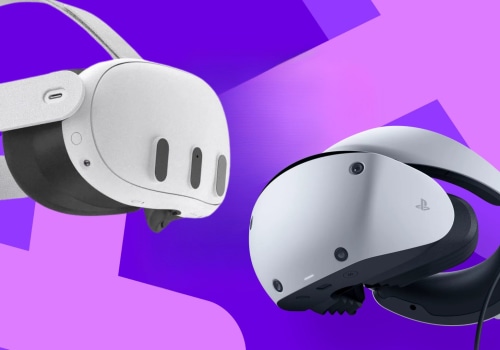
These factors raise questions about how widely VR can be adopted across different demographics. For those considering a purchase, recommendations for the best VR headsets vary based on user needs. Gamers may gravitate towards high-end options like the Valve Index or Oculus Quest 2, which offer superior graphics and extensive game libraries. Conversely, individuals interested in educational applications might find value in budget-friendly models such as the Pico G2 4K, which provide essential features without breaking the bank. Ultimately, understanding individual needs will guide consumers in choosing the right headset for their specific use cases. The realm of VR headset launches continues to evolve rapidly, with exciting innovations shaping how we interact with digital content.
As technology progresses, it becomes increasingly clear that virtual reality is not just a novelty but a transformative force across industries.
Technological Advancements in VR
As the world of virtual reality evolves, technological advancements are at the forefront of enhancing user experiences. One of the most significant innovations has been in display technology. Modern VR headsets now feature high-resolution displays that deliver sharper images and more vibrant colors, allowing users to immerse themselves in lifelike virtual environments. The introduction of OLED and mini-LED screens has also improved contrast ratios, resulting in deeper blacks and brighter highlights, which are essential for a compelling visual experience. Another critical area of advancement is in tracking systems.New headsets are equipped with advanced sensors and cameras that provide accurate positional tracking, enabling users to move freely within virtual spaces without losing their sense of presence. Inside-out tracking systems have gained popularity, eliminating the need for external sensors and making setup more convenient. These innovations not only enhance gaming experiences but also have practical applications in fields such as education and training, where precise movement is crucial. As we look ahead, the continuous development in these technologies promises to push the boundaries of what is possible in VR. With each new generation of headsets, we can expect even more refined experiences that further integrate virtual and physical realities.
VR Applications in Education and Training
Virtual Reality is revolutionizing the educational landscape by providing immersive learning experiences that were previously unimaginable.Educational institutions are increasingly adopting VR technology to enhance student engagement and comprehension across various subjects. One of the most significant applications of VR in education is in the realm of science and history. For instance, students can take virtual field trips to ancient civilizations, explore the depths of the ocean, or even travel through the solar system. This hands-on experience allows learners to interact with their environment in a way that traditional textbooks simply cannot offer. Moreover, VR training programs are being implemented in vocational education, enabling students to practice skills in a safe, controlled environment. For example, medical students can perform virtual surgeries, while engineering students can assemble complex machinery without the risk of real-world consequences. The incorporation of virtual reality into educational curricula not only fosters creativity but also promotes collaboration among students.
Group projects can be conducted in virtual spaces where students from different locations come together to solve problems or create presentations, thus enhancing their teamwork skills. As educators continue to explore the potential of VR technology, it is clear that this innovative approach to learning is set to transform the educational experience for students worldwide.
Recent VR Headset Launches
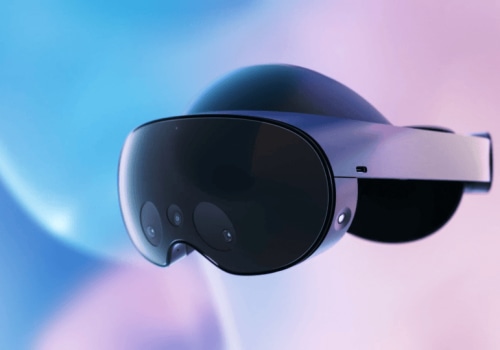
In the ever-evolving landscape of virtual reality, recent VR headset launches have captured the attention of tech enthusiasts and gamers alike. Manufacturers are racing to innovate, introducing headsets that push the boundaries of what is possible in immersive experiences. One of the most talked-about releases is the Meta Quest Pro, which boasts advanced eye-tracking capabilities and enhanced mixed reality features. This headset aims to provide users with a seamless blend of augmented and virtual realities, making it ideal for both gaming and professional applications. Another significant launch comes from Valve, with their new Index 2 headset. It offers high-fidelity visuals and an impressive field of view, catering to hardcore gamers who demand the best performance.The ergonomic design ensures comfort during extended gaming sessions, while its innovative controllers provide precise hand tracking. Additionally, HTC has unveiled the Vive Flow, a lightweight and portable headset designed for social VR experiences. With its compact design and ease of use, it allows users to engage in shared virtual spaces without the hassle of extensive setup, making it perfect for casual users and VR newcomers. These recent VR headset launches not only reflect technological advancements but also indicate a growing commitment to enhancing user experiences across various sectors. From gaming to education, these devices are paving the way for more immersive interactions, ensuring that the future of VR is bright and full of potential.
Gaming Experiences in Virtual Reality
The advent of virtual reality technology has revolutionized the way we engage with The advent of virtual reality technology has revolutionized the way we engage with gaming experiences. With immersive environments and interactive gameplay, VR has taken traditional gaming to new heights.Popular titles such as Beat Saber and Half-Life: Alyx have showcased how VR can enhance user engagement by placing players directly into the heart of the action. These games leverage advanced motion tracking and realistic graphics to create a sense of presence that traditional gaming platforms cannot replicate. In Beat Saber, players wield virtual lightsabers to slice through musical blocks, providing a unique blend of rhythm and physical activity that keeps them engaged for hours. Meanwhile, Half-Life: Alyx offers a narrative-driven experience that immerses players in a rich storyline, utilizing VR's capabilities to interact with the environment in ways that feel natural and intuitive. Moreover, VR gaming encourages social interactions through multiplayer experiences. Titles like offers a narrative-driven experience that immerses players in a rich storyline, utilizing VR's capabilities to interact with the environment in ways that feel natural and intuitive. Moreover, VR gaming encourages social interactions through multiplayer experiences. Titles like The Walking Dead: Saints & Sinners allow players to team up or compete against each other, fostering a community of gamers who share their adventures in virtual worlds.
This social aspect is crucial, as it enhances the overall enjoyment and replayability of VR games. In summary, the combination of immersive gameplay, physical engagement, and social interaction makes gaming experiences in virtual reality incredibly compelling. As new VR headset launches continue to emerge, we can expect even more innovative games that push the boundaries of what is possible in virtual environments.
User Reviews and Recommendations
As the market for VR technology continues to expand, user reviews and recommendations have become invaluable resources for potential buyers.New VR headset launches
often generate a mix of excitement and skepticism, making firsthand experiences essential for informed decision-making. Users across forums and review sites have shared their insights on various headsets, highlighting both the strengths and weaknesses of each model. Many users appreciate the immersive experiences provided by the latest headsets, particularly in gaming.For instance, headsets like the Meta Quest Pro and Valve Index have received praise for their stunning graphics and comfortable designs, which allow for extended gaming sessions without discomfort. On the other hand, some users have reported issues with tracking accuracy or software compatibility, which can detract from the overall experience. When considering a purchase, it’s essential to take into account the specific use cases. For gamers, headsets with superior refresh rates and field of view are critical. Conversely, those looking to use VR for educational purposes may prioritize features such as ease of setup and access to educational content.
Reviews often reflect these varying needs, with users recommending headsets based on their intended use. In terms of recommendations, it is advisable to consider user feedback alongside professional reviews to get a well-rounded view of each product. Look for headsets that consistently receive high marks for performance, comfort, and customer support. Furthermore, keeping an eye on return policies can help mitigate risks associated with new purchases. As the VR landscape continues to evolve with each new headset launch, staying informed through user reviews will ensure that you make the best choice for your VR journey. In conclusion, the latest innovations in VR headsets represent a significant leap forward in both gaming experiences and professional applications.
As we explored, these new launches not only enhance the immersion of virtual worlds for gamers but also offer powerful tools for education and training, transforming how we learn and work. We encourage our readers to stay informed about the ongoing developments in the VR industry, as the advancements in technology continue to evolve rapidly. By understanding these changes, you can better appreciate how they might personally benefit your gaming experiences or professional endeavors.