In the rapidly evolving landscape of technology, Virtual Reality (VR)Virtual Reality (VR) has emerged as a groundbreaking medium that transforms how we interact with digital environments. Yet, as we delve deeper into the realms of VR, an equally revolutionary force has begun to permeate this space: Artificial Intelligence (AI). The fusion of AI and VR is not just a trend; it is paving the way for innovative applications that enhance user experience, improve accessibility, and create immersive worlds that were once confined to our imaginations. As we explore the intersection of these two cutting-edge technologies, we uncover a myriad of possibilities—from intelligent NPCs that adapt to player behavior to AI-driven content creation that personalizes experiences in real-time. With every advancement, the potential for immersive storytelling, educational simulations, and even therapeutic applications grows exponentially.
This dynamic synergy between AI and VR not only captivates gamers and developers but also holds promise for industries such as education, healthcare, and training. Join us on this journey as we delve into the innovative applications of AI in VR technology, showcasing how these advancements are reshaping our understanding of virtual interactions. Whether you are a tech enthusiast, a professional in the field, or simply curious about the future of digital experiences, this exploration will illuminate the exciting possibilities that lie ahead. The landscape of virtual reality (VR) is undergoing a revolutionary transformation, significantly driven by the advancements in artificial intelligence (AI). The intersection of AI and VR technologies is reshaping how users interact with digital environments, creating experiences that are not only immersive but also incredibly responsive to user actions. This fusion of technologies allows for the creation of realistic simulations and intelligent virtual characters that can adapt to player behavior in real-time. In the realm of gaming, one of the most compelling applications of AI in VR is enhancing realism and interactivity.
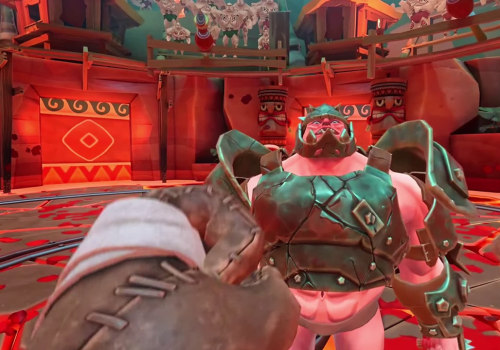
Popular titles like Half-Life: Alyx and Beat Saber have begun integrating machine learning algorithms to adapt gameplay experiences based on individual player preferences and behaviors. For instance, AI can analyze player skill levels and dynamically adjust the difficulty of challenges, ensuring that players remain engaged without feeling overwhelmed. This adaptability not only improves player satisfaction but also extends the longevity of games by offering personalized experiences that can evolve over time. Moreover, AI is being employed to create more lifelike NPC (non-playable character) interactions. Games like The Walking Dead: Saints & Sinners utilize AI-driven behaviors to make NPCs respond intelligently to player actions, resulting in a more immersive narrative experience.
This level of interactivity fosters a deeper emotional connection between players and the virtual world, making each gaming session unique. Transitioning from entertainment to education, the innovative applications of AI in VR are equally transformative. AI-driven VR simulations are revolutionizing training programs across various industries, including healthcare, aviation, and corporate training. In healthcare, for example, VR simulations powered by AI allow medical professionals to practice surgical procedures in a risk-free environment. Programs like Osso VR use AI to evaluate surgeons' techniques during simulated operations, providing real-time feedback and enhancing their skills before they operate on actual patients. In aviation, flight simulators enhanced with AI provide aspiring pilots with realistic training scenarios that adapt based on their performance.
These simulations can model various weather conditions and emergency situations, allowing pilots to gain valuable experience without putting themselves or others at risk. Furthermore, corporate training programs are leveraging AI-enabled VR environments to engage employees in immersive learning experiences that are proven to enhance retention rates compared to traditional training methods. Despite these advancements, the integration of AI in VR does not come without challenges and criticisms. Ethical considerations regarding data privacy and security arise as these technologies often rely on extensive data collection to personalize user experiences. Additionally, there are technical limitations such as latency issues that can affect the overall user experience if not addressed properly.
Critics also point out the potential for over-reliance on AI, which could diminish human oversight in critical areas such as healthcare or aviation. Looking towards the future, emerging technologies are set to further enhance the integration of AI in VR. Developments in natural language processing will enable more sophisticated interactions with virtual characters, while advances in computer vision could lead to even more realistic environments. As these technologies continue to evolve, the potential for creating truly immersive experiences that seamlessly blend AI and VR will expand exponentially, paving the way for innovative applications that we have yet to imagine.
Transforming Education and Training with AI and VR
The integration of AI in VR technology is revolutionizing the way education and training are approached. With the advent of AI-driven simulations, educators can create immersive learning environments that engage students in ways that traditional methods cannot.These simulations provide a safe and controlled space for learners to practice skills, make decisions, and experience real-world scenarios without the associated risks. For instance, medical students can interact with virtual patients, honing their diagnostic and treatment skills through realistic simulations that adapt to their actions. Similarly, flight schools utilize AI-powered VR environments to train pilots, allowing them to navigate complex flight scenarios while receiving real-time feedback from the AI systems. Recent studies indicate that learners who engage with AI-driven VR simulations demonstrate improved retention rates and deeper understanding of the material. According to a report from the International Society for Technology in Education, 76% of educators believe that VR will play a significant role in the future of education, underscoring the growing interest in these technologies. Moreover, as these tools become more accessible, institutions can tailor learning experiences to meet individual needs, enhancing engagement and effectiveness. The potential for AI in transforming education through VR is immense, paving the way for more personalized and impactful learning journeys.
AI-Enhanced Gaming Experiences
The integration of AI algorithms into the realm of gaming has transformed the way players interact with virtual environments.By utilizing sophisticated machine learning techniques, game developers can create more dynamic and responsive gaming experiences. These advancements not only enhance player engagement but also elevate the overall quality of gameplay. One significant way that AI improves player engagement is through the development of intelligent non-player characters (NPCs). These NPCs can learn from player behaviors and adapt their strategies accordingly, leading to more challenging and immersive interactions. Instead of following a fixed set of rules, AI-driven NPCs can react in real-time to players' actions, making each gaming session unique. Additionally, AI algorithms are employed to analyze player data and preferences, allowing for personalized gaming experiences.
This customization can manifest in various forms, such as tailored quests, adaptive difficulty levels, or even personalized storylines that resonate with individual players. Such features not only keep players invested but also encourage them to explore the full potential of the game. The impact of AI on game dynamics extends beyond NPC interactions. AI technologies can optimize game environments by creating procedurally generated content that adjusts according to player actions. This means that each player can experience a different world, filled with unique challenges and opportunities, further enhancing replayability and interest. Moreover, AI-driven analytics provide developers with insights into player behavior and preferences, enabling them to refine game mechanics and design elements continuously.
This ongoing evolution is critical in maintaining a vibrant gaming ecosystem where player satisfaction remains a priority. As we delve deeper into the innovative applications of AI in VR, it becomes clear that this technology is not just a tool but a catalyst for creating richer and more engaging gaming experiences. The synergy between AI and VR is paving the way for a new era of interactive entertainment where players are not mere spectators but active participants in an ever-evolving narrative.
The Future of AI in VR: Trends and Innovations
The convergence of AI and VR is set to reshape various industries, creating new paradigms of interaction and engagement. As we look towards the future, several key trends and innovations are emerging that promise to enhance the capabilities of virtual reality environments. One significant advancement is the rise of intelligent virtual agents. These AI-driven entities can interact with users in real-time, providing personalized experiences tailored to individual preferences.This innovation is particularly promising in sectors like healthcare, where virtual therapists could offer support and guidance in a controlled environment. Moreover, advancements in machine learning are paving the way for more sophisticated content generation within VR. Imagine a scenario where game worlds or training simulations are dynamically created based on user input and behavior patterns. This level of adaptability not only enhances user engagement but also fosters deeper learning experiences in educational contexts. Statistics indicate a growing investment in these technologies. According to recent reports, the global market for AI in VR is expected to reach billions by the mid-2020s, driven by demand in gaming, real estate, and training industries.
This surge signifies a shift in how businesses are approaching immersive technologies and their applications. Furthermore, the integration of AI algorithms in VR can lead to improved analytics, enabling companies to gather insights on user behavior that were previously unattainable. This data can inform everything from product development to marketing strategies, enhancing overall business outcomes. As we venture further into this exciting intersection of technologies, the implications for various industries are profound. From revolutionizing customer experiences in retail to transforming training methodologies in corporate environments, the future of AI in VR is bright and full of potential. In conclusion, we have explored how AI is significantly transforming the landscape of VR, creating immersive and engaging experiences across various sectors such as gaming, education, and training. From AI-Enhanced Gaming Experiences that captivate players with personalized content to the revolutionary ways AI is Transforming Education and Training, the integration of these technologies is paving the way for innovative applications that enhance learning and engagement.
Moreover, as we look to the future, the trends and innovations in AI in VR suggest that this synergy will only grow stronger, promising even more groundbreaking developments. We encourage our readers to stay informed about the latest advancements in this rapidly evolving field, as the potential of AI and VR continues to expand. Join the conversation by sharing your thoughts or experiences with AI in VR; your insights could contribute to a broader understanding of these transformative technologies.