In recent years, Virtual Reality (VR) technologyVirtual Reality (VR) technology has transcended its roots in gaming and entertainment, evolving into a multifaceted tool that is reshaping various industries. As we stand on the precipice of a new era in digital interaction, the latest advancements in VR technologylatest advancements in VR technology are not just fascinating innovations; they are paving the way for transformative experiences that enhance education, healthcare, and even social interactions. This article delves into the cutting-edge developments that are making waves across the VR landscape. From immersive training simulations to groundbreaking applications in therapy, the potential of VR is being realized in ways previously thought to be mere fantasies.
With tech giants and startups alike pouring resources into research and development, the future of VR technology looks brighter than ever. Join us as we explore these exciting advancements that promise to redefine how we perceive reality and interact with our environment. Whether you're a tech enthusiast, a professional in the field, or simply curious about what lies ahead, this comprehensive overview will provide you with insights into the technologies that are not only shaping our present but are also setting the stage for an extraordinary future. The world of virtual reality (VR) has undergone a transformative evolution, rapidly advancing from rudimentary simulations to highly immersive experiences that are now reshaping various industries. As interest in VR technology continues to surge, it is crucial to explore the latest advancements that are paving the way for the future. From gaming and education to training simulations, the impact of VR is profound, and this article aims to provide a comprehensive overview of the current state of VR technology, particularly focusing on its hardware and software innovations. In terms of hardware, the latest innovations in VR headsets have set new standards for user experience.
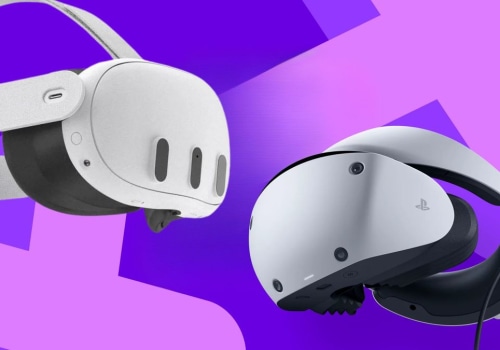
Companies like Oculus, HTC Vive, and Valve are at the forefront, continually enhancing their flagship products. The Oculus Quest 2, for example, features remarkable improvements in resolution and tracking capabilities, offering users a more immersive experience without the need for external sensors. With a resolution of 1832 x 1920 per eye, it provides stunning visuals that elevate gameplay and virtual experiences. Similarly, the HTC Vive Pro 2 boasts a staggering 2448 x 2448 resolution per eye, making it one of the highest-quality headsets available today.
These advancements in headset designs not only enhance visual fidelity but also focus on user comfort and accessibility, ensuring that VR can be enjoyed by a broader audience. Transitioning from hardware to software, the landscape of VR applications is equally exciting. Developers are pushing creative boundaries with new gaming experiences that utilize the immersive capabilities of VR technology. Titles like Half-Life: Alyx have redefined what is possible within VR gaming, offering players an engaging narrative coupled with interactive environments. Beyond gaming, VR is making significant inroads into education and training sectors.
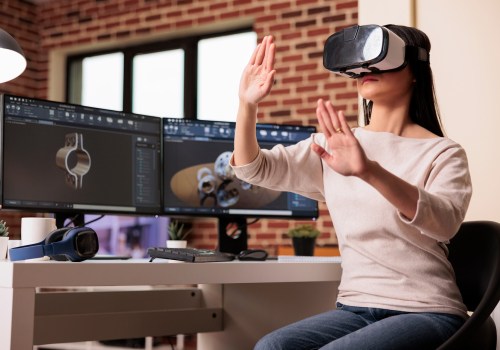
Virtual classrooms are becoming more prevalent, allowing students to engage with complex subjects in a hands-on manner. For instance, zSpace offers a platform where students can explore 3D models in biology or chemistry, enhancing their understanding through interaction rather than traditional methods. The application of VR technology extends into professional training as well. In fields like medicine, VR simulations are being utilized for training surgeons without risk to patients. Programs such as Osso VR provide realistic surgical scenarios where medical professionals can practice procedures repeatedly until they achieve proficiency.
This not only enhances skill acquisition but also boosts confidence among trainees before they enter real-world situations. User concerns regarding VR headsets are common, particularly regarding comfort, performance, and value for money. Product reviews play a crucial role in helping potential buyers make informed decisions. Comparisons between popular models like the Oculus Quest 2, Valve Index, and Pimax 8K X reveal varying strengths and weaknesses. For instance, while the Pimax 8K X offers unparalleled field of view and resolution for hardcore enthusiasts, its complexity and price point may deter casual users.
On the other hand, the Oculus Quest 2's wireless capability makes it an attractive option for newcomers seeking accessibility without sacrificing quality. The future of the VR industry is bright as emerging trends begin to surface. The integration of artificial intelligence into VR experiences is one such trend that promises to revolutionize user interactions within virtual spaces. AI can facilitate personalized experiences by adapting environments based on user preferences or behaviors. Furthermore, social VR spaces are gaining traction, allowing users to connect with others in virtual environments that mimic real-life interactions.
Platforms like VRChat enable socialization in imaginative worlds where users can meet friends or engage with new people from across the globe. As we look ahead, predictions for the future of VR technology suggest an increasingly interconnected ecosystem where virtual reality becomes seamlessly integrated into daily life. The continued development of hardware and software will likely lead to more widespread adoption across various sectors beyond entertainment and education. With advancements such as foveated rendering enhancing performance and reducing latency, we can expect even greater immersion in our virtual experiences. The exploration of cutting-edge developments in VR technology reveals a fascinating landscape filled with innovations that promise to shape our future interactions with digital content. As we delve deeper into this realm, staying informed about these advancements not only enriches our understanding but also prepares us for the exciting possibilities that lie ahead in the world of virtual reality.
Trends Shaping the Future of VR
The realm of virtual reality is rapidly evolving, with several key trends emerging that are set to redefine the user experience and broaden the application of VR technology across various sectors.One of the most significant trends is the rise of social VR platforms. These platforms are transforming how individuals interact within virtual spaces, allowing users to connect, collaborate, and share experiences in real-time. Social VR not only enhances gaming experiences but also provides new avenues for socialization, remote collaboration, and immersive events, making virtual interactions more engaging than ever. Another pivotal trend is the integration of artificial intelligence into virtual environments. AI technologies are being utilized to create more responsive and adaptive experiences, enabling virtual worlds to react dynamically to user behaviors and preferences.
This integration allows for personalized content delivery, improved simulations in training environments, and more lifelike interactions within VR applications. As AI continues to advance, its role in shaping the narratives and experiences within virtual reality will likely expand, paving the way for unprecedented levels of immersion and interactivity. These trends indicate a promising future for VR technology, as they not only enhance user engagement but also expand its applicability across industries such as entertainment, education, and corporate training. As developers and companies continue to innovate in these areas, we can expect to see a surge in the adoption and sophistication of virtual reality solutions.
Innovative Hardware Developments
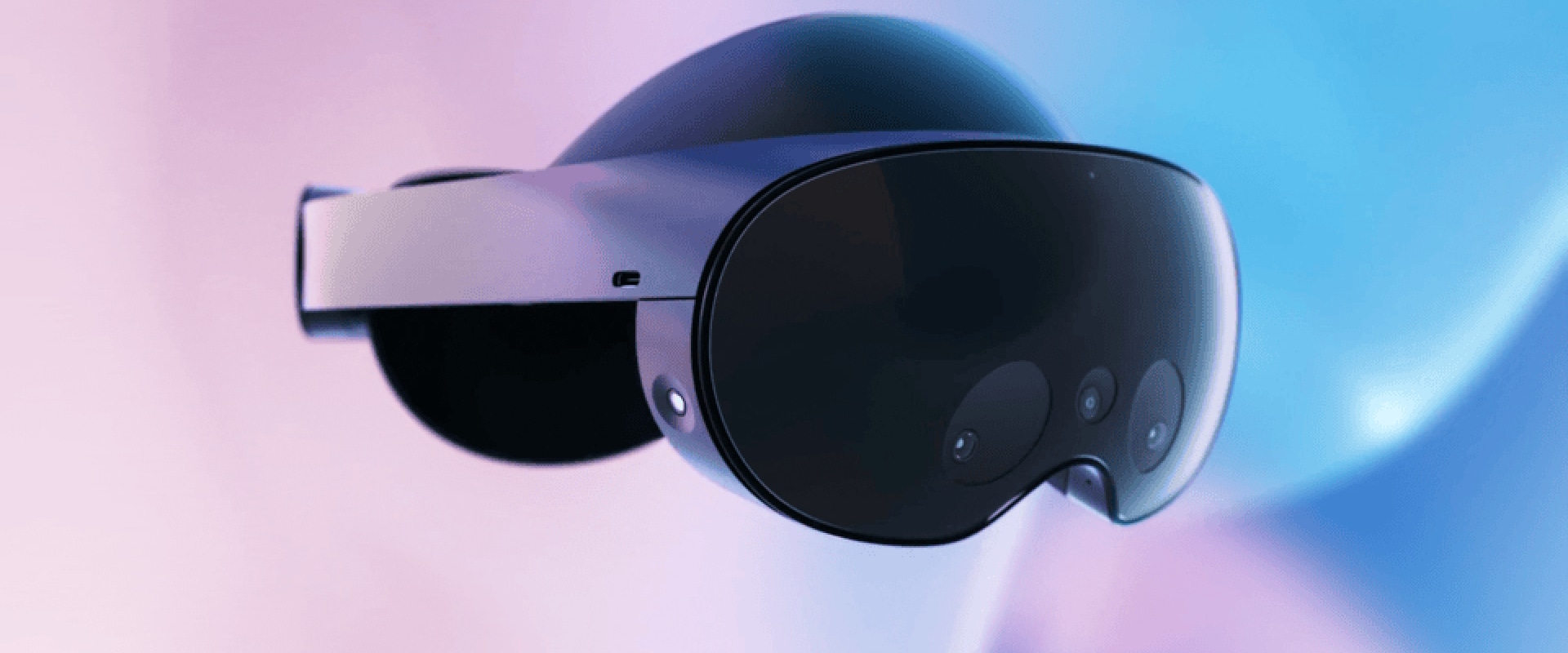
As virtual reality continues to evolve, innovative hardware developments play a crucial role in enhancing user experience. The latest generation of VR headsets has seen significant advancements that prioritize comfort and usability.Manufacturers are increasingly focusing on ergonomics, ensuring that headsets can be worn for extended periods without causing discomfort. This focus on comfort is complemented by lightweight materials and adjustable designs, making VR more accessible to a wider audience. In addition to comfort, resolution enhancements are at the forefront of VR technology. Modern headsets now boast higher pixel densities, resulting in sharper images and reduced screen-door effects. This improvement significantly enhances immersion, allowing users to engage with virtual environments more naturally.
Furthermore, advancements in display technology, such as OLED and mini-LED screens, contribute to richer colors and better contrast ratios. Wireless capabilities have also seen remarkable progress in the realm of VR. Many of the latest headsets are now completely wireless, eliminating the need for cumbersome cables that can restrict movement. This advancement allows for a more immersive experience, as users can navigate their virtual spaces without physical limitations. Moreover, improved battery life and optimized wireless technology ensure that users can enjoy extended sessions without interruptions. The controllers that accompany these headsets have not lagged behind in innovation.
New controller designs offer improved haptic feedback, making interactions within virtual environments feel more realistic. Advanced tracking technologies enable precise movements, enhancing gameplay and training simulations. As the hardware landscape continues to advance, users can expect an increasingly seamless and engaging experience in virtual reality.
Revolutionary Software Experiences
The landscape of virtual reality is rapidly evolving, showcasing an array of innovative software experiences that are transforming how users interact with digital environments.Latest advancements in VR technology
have birthed groundbreaking games and applications that not only entertain but also educate and inspire.These immersive experiences are pushing the boundaries of creativity and engagement in ways previously unimaginable. In the gaming sector, titles like Half-Life: Alyx and Beat Saber have set new standards for what VR can achieve.
Half-Life: Alyx
, a flagship VR game, offers players an intricate narrative combined with engaging gameplay mechanics that leverage the full capabilities of VR technology. Players are transported into a richly detailed world where they can solve puzzles and engage in combat, all while experiencing a level of immersion that traditional gaming cannot replicate. Moreover, educational tools such as Google Expeditions and Engage demonstrate the potential of VR to transform learning experiences.Google Expeditions
allows students to embark on virtual field trips to historical sites or explore the depths of the ocean, bringing abstract concepts to life in an interactive manner.Similarly, Engage provides a platform for educators to create and share immersive learning experiences, promoting collaboration and engagement among students. The realm of immersive storytelling is also seeing significant advancements with VR applications like The Walking Dead: Saints & Sinners. This experience not only immerses players in a post-apocalyptic world but also allows them to make critical decisions that impact the story, blurring the lines between player choice and narrative development. As we delve deeper into these revolutionary software experiences, it becomes evident that the latest advancements in VR technology are paving the way for transformative applications across various sectors. From gaming to education, the potential of VR continues to expand, promising exciting developments for users around the globe.
Product Reviews and Recommendations
As the demand for virtual reality experiences continues to surge, a plethora of VR headsets have emerged on the market, each offering unique features tailored to different user needs. In this section, we will explore some of the top-rated VR headsets currently available, comparing their features and price points to help potential buyers make informed decisions. One of the leading contenders is the Oculus Quest 2.Known for its affordability and standalone capabilities, this headset provides a robust library of games and applications without the need for external hardware. With a resolution of 1832 x 1920 per eye, it delivers stunning visuals while maintaining a comfortable fit for extended use. Priced around $299, it is an excellent choice for both beginners and seasoned VR enthusiasts. For those seeking a more immersive experience, the Valve Index stands out with its high refresh rate and superior tracking technology. The kit includes advanced controllers that offer precise hand tracking, enhancing the sense of presence in virtual environments.
However, with a price tag exceeding $999, it is aimed at users who prioritize performance over budget. If you are looking for a versatile option that can connect to gaming PCs, the HP Reverb G2 is worth considering. Its impressive 2160 x 2160 resolution per eye offers exceptional clarity, making it ideal for simulation games and VR experiences that require high detail. At approximately $599, it strikes a balance between performance and cost. Lastly, the PlayStation VR, designed specifically for PlayStation console users, remains a popular choice due to its exclusive game titles and ease of setup. Although it features lower resolution compared to newer models, its pricing—around $399—makes it accessible for gamers invested in the PlayStation ecosystem. In summary, the market offers a diverse range of VR headsets, each with unique features catering to different preferences and budgets.
By considering factors such as resolution, comfort, and compatibility, potential buyers can find the perfect headset to enhance their virtual reality experience. In conclusion, this article has explored the latest advancements in VR technology by delving into innovative hardware developments, revolutionary software experiences, and providing insightful product reviews and recommendations. As we highlighted, the dynamic nature of VR technology is reshaping industries like gaming, education, and training, making it an exciting field to watch. We encourage our readers to stay informed about ongoing advancements and consider how they can engage with VR experiences both personally and professionally. The future of VR is bright, and being part of this evolution can lead to incredible opportunities.